
What is PVB? Understanding the Importance of Polyvinyl Butyral in Modern Glass Technology
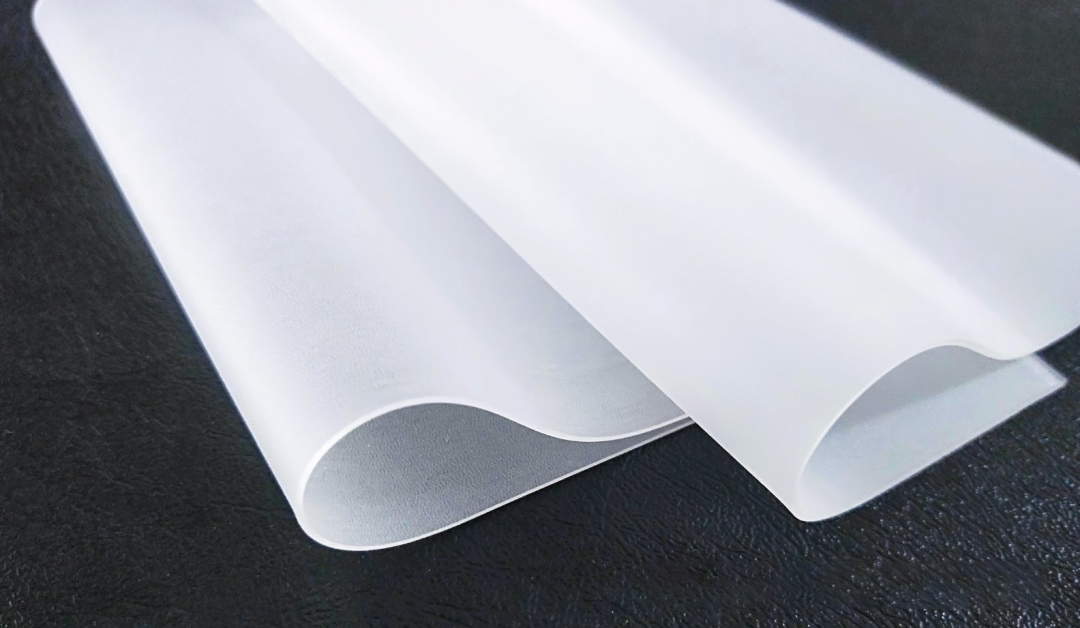
In the world of modern glass technology, certain materials play a crucial role in ensuring safety, durability, and clarity. One such material is Polyvinyl Butyral (PVB), which is commonly used as an interlayer in laminated glass products. From automotive windshields to architectural windows, PVB plays a vital role in enhancing the performance of glass. In this article, we will explore what is PVB, its key features, and why it is indispensable in the production of polyvinyl butyral glass and other laminated safety glass products.
What is PVB? (PVB Meaning)
PVB stands for Polyvinyl Butyral, a resin made by the polymerization of polyvinyl alcohol (PVA) with butyraldehyde. This material is known for its excellent adhesion properties, high strength, and flexibility. PVB is commonly used in the production of laminated glass, where it serves as an interlayer that binds layers of glass together, enhancing their structural integrity.
This thermoplastic resin is typically produced in film form, making it suitable for a variety of applications. PVB polyvinyl butyral is highly regarded for its ability to absorb impacts, reduce sound transmission, and protect from UV radiation, making it an ideal material for polyvinyl butyral glass.
The Role of PVB in Polyvinyl Butyral Glass
Polyvinyl Butyral Glass is a type of laminated glass in which PVB serves as the interlayer between layers of glass. The combination of glass and PVB creates a strong, flexible, and durable material that is resistant to breaking and shattering. PVB glass is widely used in various applications, especially in safety glass for vehicles and buildings, where impact resistance is critical.
The PVB interlayer in laminated glass helps prevent glass from shattering into sharp, dangerous pieces when broken. Instead, the glass remains intact, with the PVB layer holding the shards in place, thereby reducing the risk of injury. This makes PVB laminated safety glass a vital component in the automotive, architectural, and construction industries.

Polyvinyl Butyral Film in Laminated Glass
To understand how PVB functions in laminated glass, it's essential to look at polyvinyl butyral film. This film is a key element in the glass lamination process. The PVB film is placed between layers of glass and then subjected to heat and pressure to bond the layers together, creating a single, cohesive sheet of laminated glass. This film provides significant benefits, including enhanced safety, soundproofing, and UV protection.
The PVB film also adds durability and resistance to the glass, making it less likely to break under pressure. Whether it's used in PVB laminated safety glass for vehicles or polyvinyl butyral glass in architectural windows, this film offers a range of protective features that make laminated glass more versatile and safer.
Benefits of PVB Interlayer in Laminated Glass
The use of PVB interlayer in laminated glass offers numerous advantages. These benefits extend across various sectors, including the automotive industry, construction, and even in architectural design. Here are some of the key benefits:
-
Safety: The primary function of a PVB interlayer is to enhance the safety of laminated glass. In the event of an impact, the PVB layer holds the glass fragments together, preventing dangerous shards from flying and reducing the risk of injury.
-
UV Protection: The PVB interlayer provides excellent UV protection, filtering out harmful ultraviolet rays. This makes it particularly useful in windows where exposure to sunlight could cause fading or damage to furniture and interiors.
-
Sound Insulation: Laminated glass with a PVB interlayer is highly effective in reducing noise transmission. This makes it a preferred choice for applications where noise control is important, such as in urban buildings or vehicles.
-
Impact Resistance: PVB provides exceptional impact resistance, making laminated glass much stronger and more durable than regular glass. This property is especially important in automotive windshields, which must withstand harsh conditions while maintaining clarity.
Exploring Other Types of Laminated Glass: SGP Glass vs EVA Laminated Glass
While PVB laminated glass is the most widely used type of laminated glass, there are other materials used in lamination, such as SGP glass and EVA laminated glass.
-
SGP laminated glass (SentryGlas® Plus) offers superior strength and performance compared to PVB. SGP is often used in high-security applications and glass that must withstand extreme pressure and impact. However, PVB remains the most popular choice due to its cost-effectiveness and versatility.
-
EVA laminated glass is another alternative to PVB, commonly used in applications where high transparency and clarity are required, such as in skylights and large windows. While EVA offers similar benefits to PVB, it is typically less impact-resistant, making PVB the preferred choice for safety-critical applications.
Why PVB Polyvinyl Butyral is the Top Choice for Laminated Glass
PVB polyvinyl butyral remains the top choice for laminated glass for several reasons. The material offers a balance of strength, flexibility, and durability that other alternatives struggle to match. Here are some of the reasons why PVB is favored:
-
Cost-Effectiveness: PVB is more affordable than alternatives like SGP and EVA, making it the go-to option for most manufacturers.
-
Proven Performance: PVB has been used in laminated glass for decades, and its performance in terms of safety, impact resistance, and sound insulation has been well-established.
-
Eco-Friendly Designs: PVB is increasingly being used in sustainable and energy-efficient designs. Its ability to filter UV rays helps reduce energy consumption in buildings, making it a choice material for environmentally conscious projects.
Conclusion
PVB (Polyvinyl Butyral) is a crucial material in the production of laminated safety glass and other glass products used in a wide range of industries. From enhancing the safety of vehicles to providing UV protection and sound insulation in buildings, PVB plays a vital role in modern glass technology. As the demand for stronger, safer, and more energy-efficient glass products continues to grow, polyvinyl butyral remains the material of choice for laminated glass applications. Understanding what is PVB and its many benefits can help industries make informed decisions about their glass material needs.
Whether you're in the automotive, architectural, or construction industry, choosing polyvinyl butyral glass ensures that you're investing in high-quality, durable, and reliable materials.