
Is There Unbreakable Glass? Exploring the Strongest Glass Options for Your Needs
2025-03-13
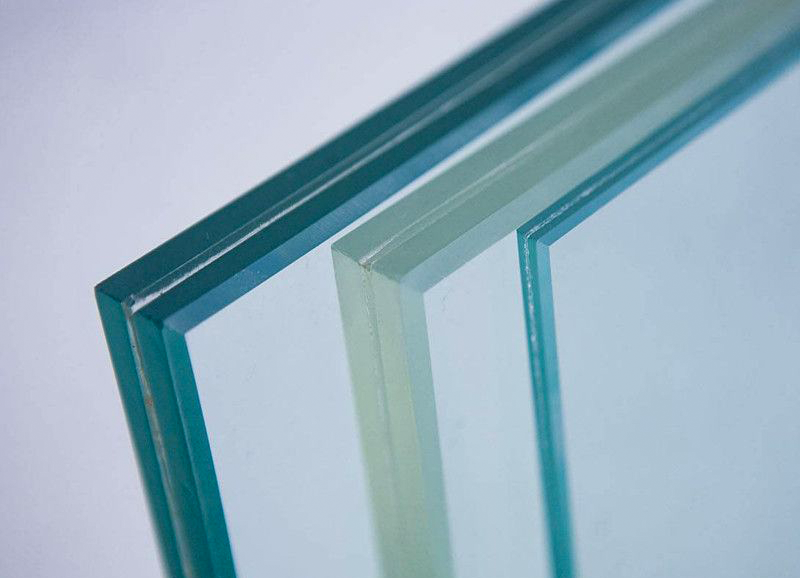
When it comes to glass, the idea of something "unbreakable" sparks curiosity. Whether you're a homeowner looking to secure your property or a business owner seeking safety solutions, you’ve likely wondered: Is there any glass that is unbreakable? While no glass is truly indestructible, modern technology has brought us incredibly strong and resistant options. In this article, we’ll dive into whether it’s possible to make unbreakable glass, what the strongest glass types are, and how "unbreakable" glass can keep your business or home safe.

Is There Any Glass That Is Unbreakable?
Let’s address the big question right away: Is there an unbreakable glass? Technically, no glass is 100% unbreakable. Glass, by nature, is brittle and prone to shattering under extreme force. However, certain types of glass come remarkably close to earning the "unbreakable" label. These advanced materials are engineered to resist impacts, withstand pressure, and even stop bullets in some cases. So, while "unbreakable" might be a marketing term, the reality is that we have highly durable glass options that perform impressively under stress
Is It Possible to Make Unbreakable Glass?
The quest for unbreakable glass has driven scientists and manufacturers to innovate for decades. Is it possible to make unbreakable glass? Not entirely, but advancements in materials science have produced glass that’s stronger than ever. For example, tempered glass, laminated glass, and polycarbonate blends push the boundaries of durability. Researchers are even experimenting with futuristic concepts like transparent aluminum (aluminum oxynitride), a material that’s lighter and tougher than traditional glass. While we may not have truly unbreakable glass yet, these developments show that we’re getting closer every day.
What Is the Strongest Glass You Can Get?
If you’re searching for the strongest glass you can get, several options stand out based on their strength and practical applications:
-
Tempered Glass: Heat-treated to be up to five times stronger than regular glass, tempered glass is a popular choice for everything from phone screens to car windows. It shatters into small, blunt pieces rather than sharp shards, adding an extra layer of safety.
-
Laminated Glass: Made by sandwiching a plastic layer (usually polyvinyl butyral, or PVB) between two glass panes, laminated glass holds together even when cracked. It’s widely used in windshields and security windows.
-
Ballistic Glass: Often called bulletproof glass, this type combines multiple layers of glass and polycarbonate to stop bullets. It’s the go-to for high-security needs, like bank teller windows or armored vehicles.
-
Gorilla Glass: Developed by Corning, this chemically strengthened glass is found in smartphones and tablets. It resists scratches and minor impacts but isn’t designed for heavy-duty structural use.
For sheer toughness, ballistic glass and laminated glass top the list, depending on your specific requirements.
What Is the Most Resistant Type of Glass?
When asking, What is the most resistant type of glass?, it depends on what you’re resisting—impacts, scratches, or forced entry. Laminated glass often takes the crown for its versatility. Its layered design makes it highly resistant to break-ins, storms, and even gunfire (in thicker configurations). For businesses or homes in high-risk areas, this type of glass offers peace of mind by staying intact even under significant force.
What Options Actually Work?
With so many glass types available, what options actually work for real-world scenarios? Here’s a breakdown:
-
For Home Security: Laminated glass windows are excellent for deterring break-ins. The plastic interlayer makes it nearly impossible to smash through quickly, giving you time to respond.
-
For Businesses: "Unbreakable" glass like ballistic or laminated glass can protect storefronts, offices, and sensitive areas from vandalism or theft.
-
For Extreme Conditions: Tempered glass works well in environments with temperature fluctuations or moderate impact risks, like shower doors or patio furniture.
The key is matching the glass to your use case—bulletproof glass isn’t necessary for every situation, but laminated glass might be just right.
The Business Term of “Unbreakable Glass”
In the business world, the business term of “unbreakable glass” often refers to a selling point rather than a literal product. Manufacturers and security companies use it to market tough, resilient glass solutions that enhance safety and reduce liability. For example, a retailer might install laminated glass to protect valuable inventory, while a corporate office might use it to safeguard employees. The term signals durability and reliability—qualities that appeal to any business owner looking to invest in long-term protection.
How Can “Unbreakable” Glass Keep Your Business Safe?
So, how can “unbreakable” glass keep your business safe? It’s all about prevention and resilience. Here’s how it works:
-
Deters Crime: Thieves are less likely to target a business with reinforced glass that resists quick entry.
-
Protects Against Accidents: In storm-prone areas, laminated glass can withstand flying debris, keeping your property intact.
-
Enhances Security: For high-risk businesses like jewelry stores or banks, ballistic glass provides a literal shield against threats.
Investing in strong glass isn’t just about safety—it’s about minimizing downtime, avoiding costly repairs, and projecting a secure image to customers.
Laminated Glass Windows: Real-Use Scenarios
Laminated glass windows depend on real-use scenarios, and their effectiveness shines in specific situations:
-
Bulletproof Needs: Thick, multi-layered laminated glass is a staple in military or law enforcement settings where stopping projectiles is critical.
-
Break-In Prevention: For homes or small businesses, a thinner version of laminated glass can thwart burglars without the expense of full bulletproofing.
-
Noise Reduction: Beyond security, laminated glass dampens sound, making it ideal for urban businesses or homes near busy streets.
By tailoring the thickness and composition, laminated glass adapts to your unique needs, whether that’s maximum protection or everyday durability.
Conclusion: Finding the Right “Unbreakable” Glass for You
While there’s no such thing as completely unbreakable glass, options like laminated glass, tempered glass, and ballistic glass offer incredible strength and resistance. Whether you’re asking, What is the strongest glass you can get? or How can “unbreakable” glass keep your business safe?, the answer lies in understanding your priorities—security, cost, or aesthetics. For homes, businesses, or specialized applications, these advanced glass types provide practical solutions that come as close to "unbreakable" as technology allows.
Ready to upgrade your windows or storefront? Research local suppliers or consult a security expert to find the most resistant type of glass for your situation. Safety is just a pane away!
Interlaza de vidrio laminado: Guía de comparación de PVB, EVA, SGP y TPU
¿Se puede utilizar vidrio laminado con película EVA en exteriores? Indicador clave: tasa de enlaces cruzados
Artículo relacionado
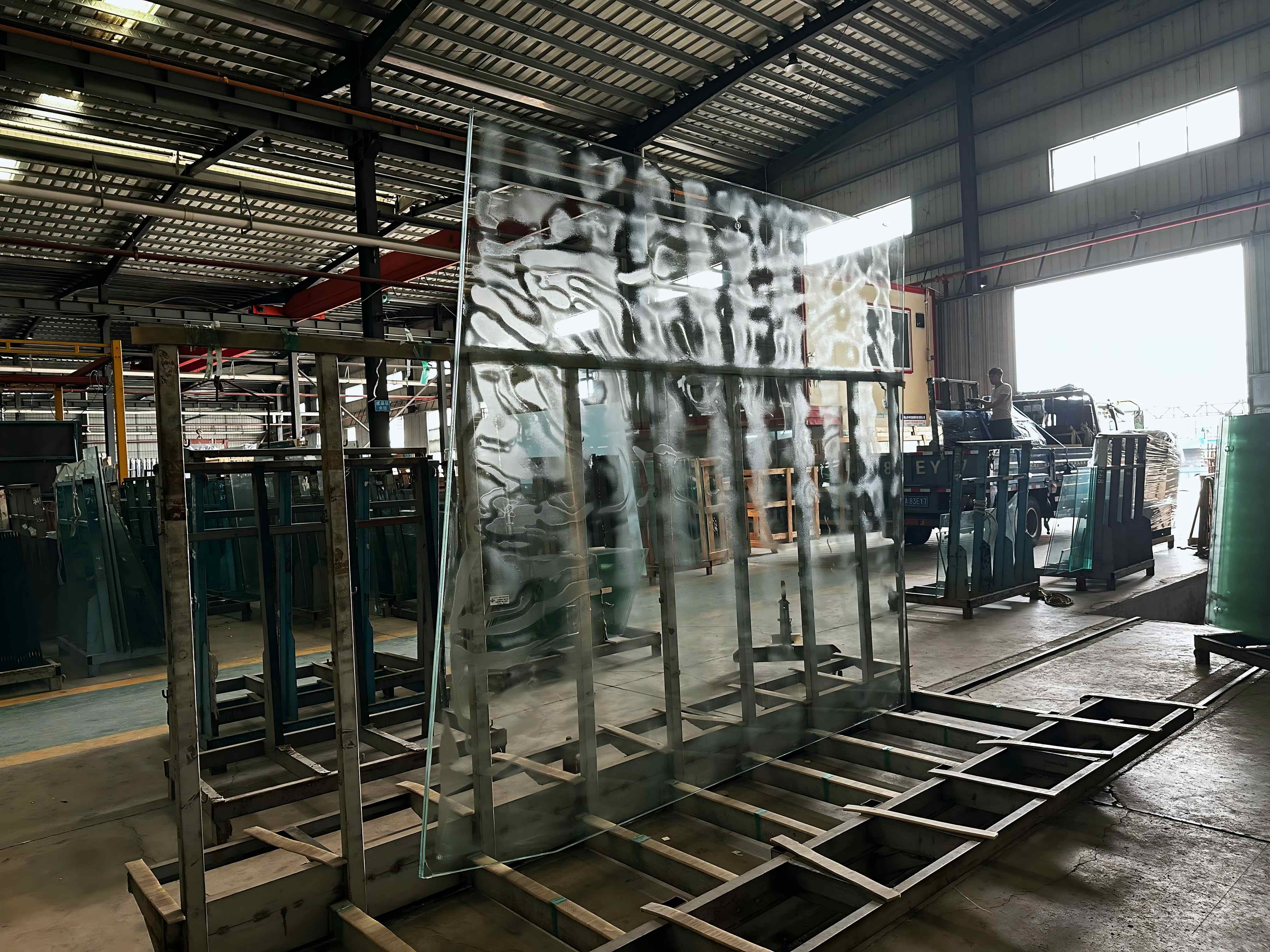
Este artículo explica las causas y soluciones para los defectos de aire atrapado (burbujas de aire) en la producción de vidrio laminado SGP de gran tamaño, irregular de 5 lados con múltiples aberturas, y una guía de proceso práctica para el procesamiento profundo de vidrio laminado moldeado.
Solución de problemas de aire atrapado en vidrio laminado SGP irregular de gran tamaño y 5 lados con múltiples aberturas
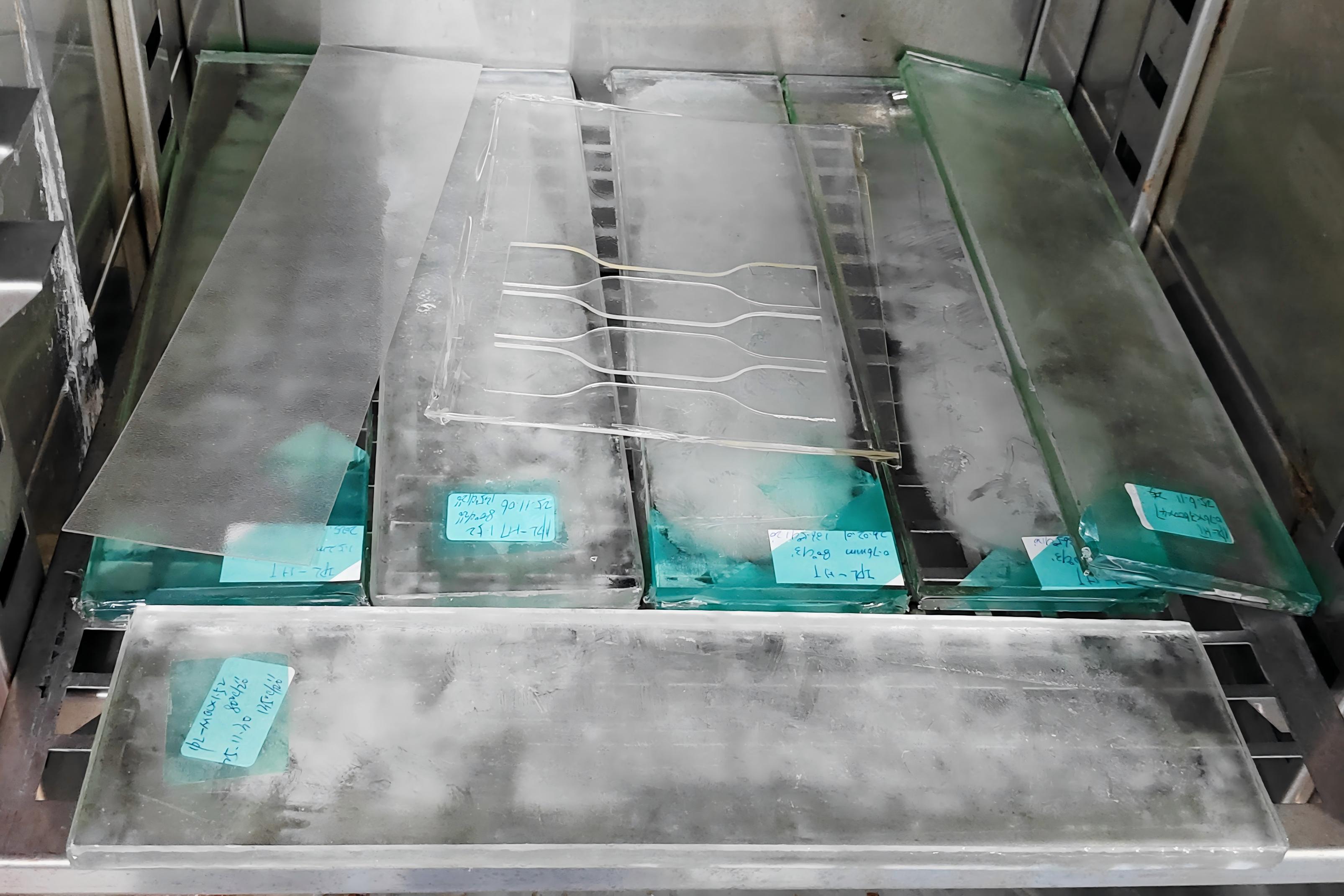
Las rigurosas pruebas de congelación y descongelación demuestran que la IPL (capa intermedia de ionoplasto sgp) mantiene la claridad del cristal, una fuerte adhesión y no presenta defectos después de 10 ciclos extremos a -20 °C. Fiable para arquitectura de clima frío.
Vidrio laminado SGP en frío extremo: ¿La congelación y descongelación repetida provoca empañamiento, burbujas o delaminación?
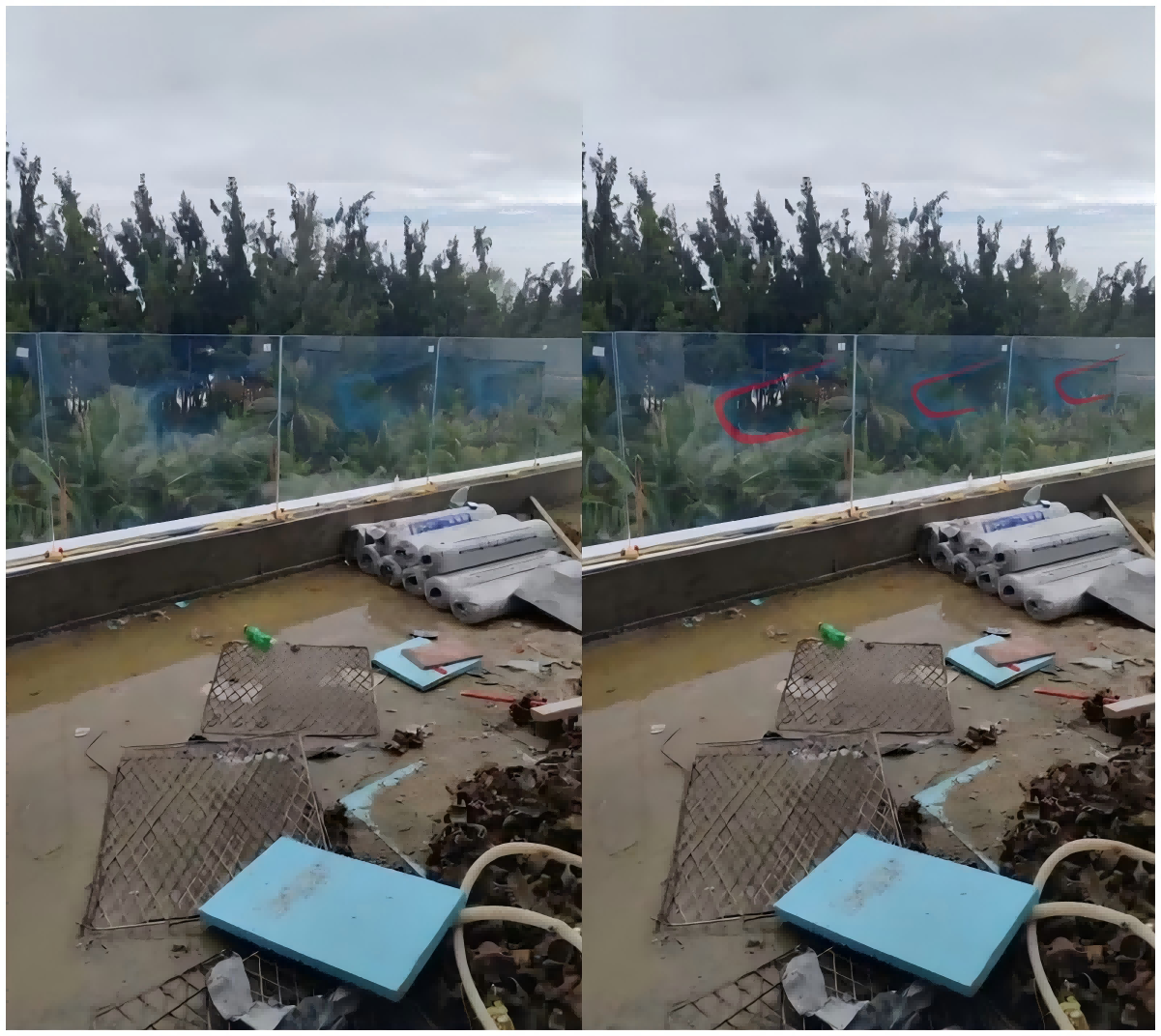
Resuelva los defectos de empañamiento interno del vidrio laminado SGP optimizando los parámetros del autoclave (temperatura, velocidad de enfriamiento). Soluciones profesionales de reprocesamiento de vidrio laminado y procesamiento profundo de vidrio.
Estudio de caso: Defectos de empañamiento de vidrio laminado SGP de forma consistente
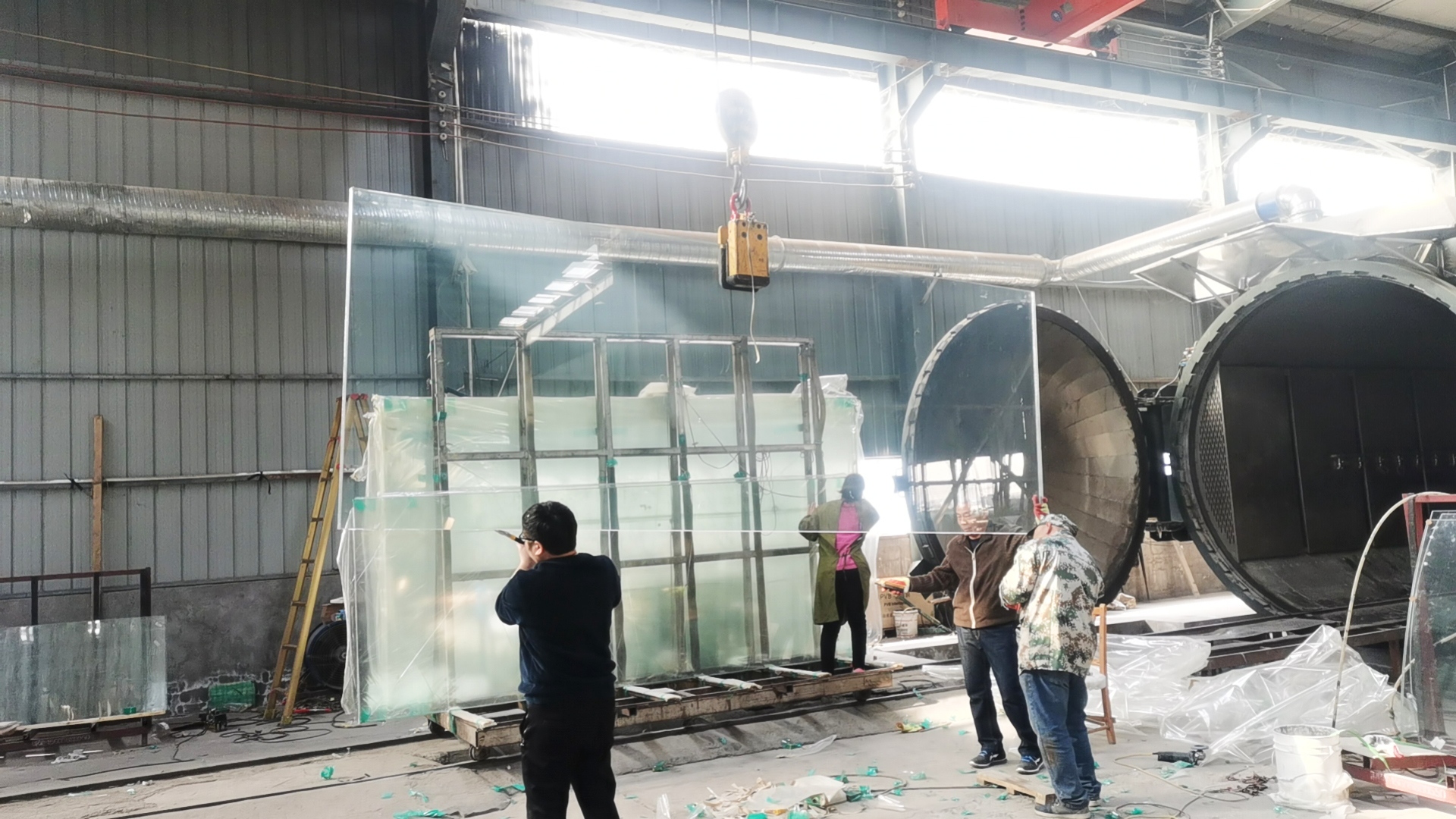
¿Se pregunta por qué su vidrio laminado con película SGP tiene burbujas incluso con una bolsa de vacío? Innolamin explica cómo las fallas de vacío del autoclave y las bajas temperaturas causan defectos.
¿Por qué el vidrio laminado Ionoplast Interlayer todavía tiene burbujas incluso con una bolsa de vacío?