SGP Laminated Glass in Extreme Cold: Does Repeated Freeze-Thaw Cause Fogging, Bubbles, or Delamination?
2026-06-24
SGP Laminated Glass in Extreme Cold: Passing the Ultimate Freeze-Thaw Test
For architects and building owners, a critical question often arises: Will SGP laminated glass fog up, develop bubbles, or suffer delamination under repeated freeze-thaw cycles in extreme cold?
To answer this with data, the technical team at IPL (Innolamin SGP Ionoplast Interlayer) recently conducted a stringent continuous freeze-thaw test, simulating the harshest winter conditions.
The goal: verify long-term reliability for real-world cold-climate applications.
Test Design: Simulating Severe Arctic Conditions
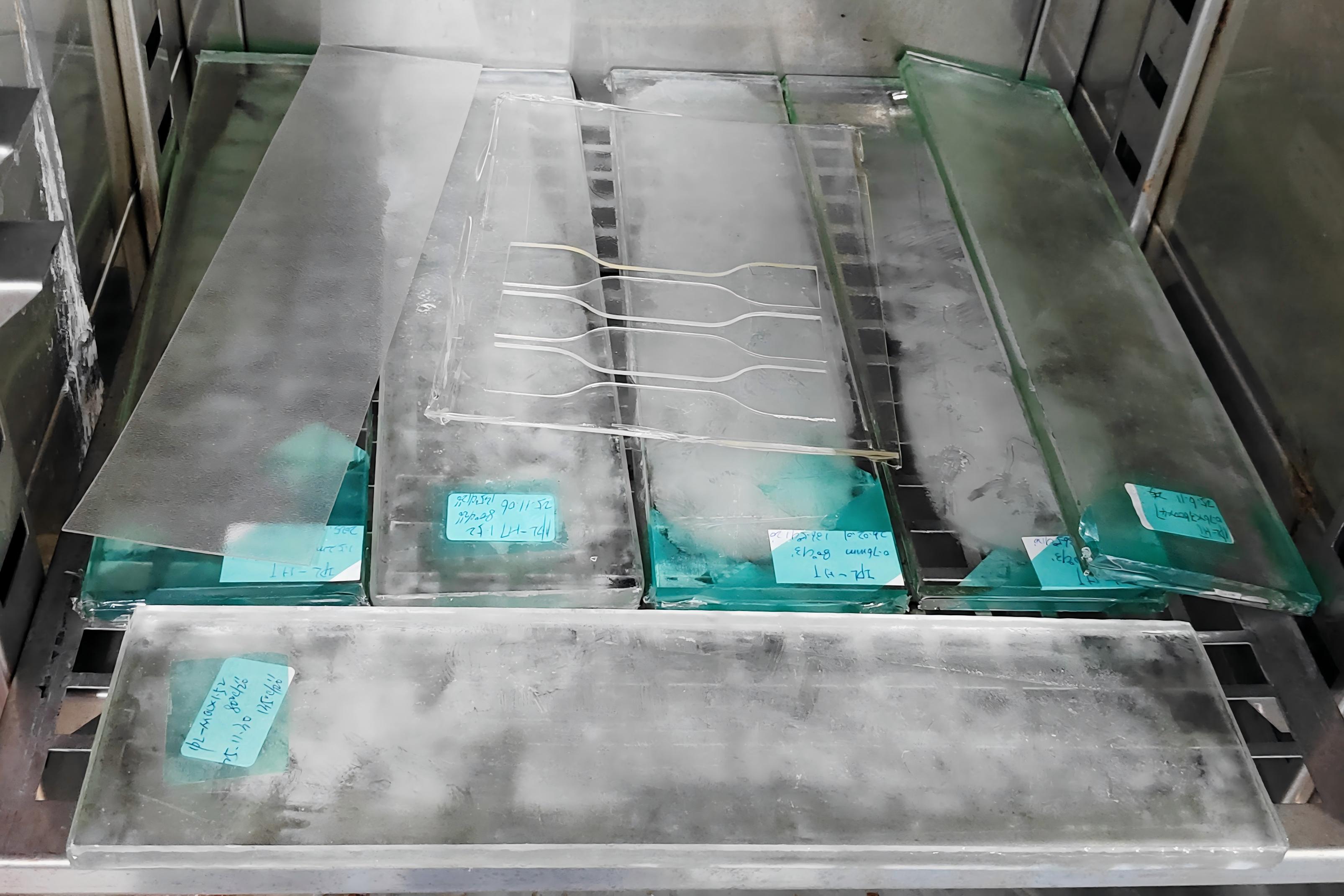
The test subjects were IPL laminated glass panels and IPL ionoplast interlayer film from the same production batch. To replicate extreme cold environments, the team set uncompromising parameters:
• Cooling rate: 2°C per minute, down to –20°C
• Dwell time: 24 hours at a constant –20°C
• Real-time temperature logging during each 24‑hour freeze to ensure strict compliance
• Recovery phase: Samples were slowly brought back to room temperature, rested for 30 minutes, then re‑entered the next 24‑hour freeze cycle
After each cycle, technicians meticulously inspected every sample for:
• Delamination (edge separation)
• Bubbles (internal air pockets)
• Fogging (moisture condensation)
– the three most common failure modes for laminated glass in extreme environments.
Test Results: Zero Defects After 10 Cycles
After 10 complete freeze-thaw cycles, the IPL ionomeric interlayer laminated glass remained perfectly transparent. No fogging, no bubbles, no delamination, and no internal fractures were observed.
The final pummel adhesion test scored Level 8, with exposed interlayer area less than 5%. This confirms that even after extreme freezing, IPL’s bond strength to glass meets the most demanding safety standards.
Application Outlook: A Trusted Choice for Cold-Climate Buildings
These results prove that IPL ionomeric interlayer delivers outstanding low-temperature performance, making it ideal for laminated glass in severe cold regions. Whether for:
• Building facades and skylights in northern alpine areas
• Public infrastructure like airports and stations in high-altitude zones
– IPL laminated glass provides reliable safety protection and extended service life even under repeated freeze-thaw stress.
Why Choose IPL Ionoplast Interlayer for Laminated Glass?
With IPL, you eliminate worries about:
• Fogging caused by extreme low temperatures
• Delamination from repeated freeze-thaw cycles
• Safety hazards after glass breakage – the interlayer holds firmly
We back our claims with rigorous test data and earn trust through proven product quality.
Solving Trapped Air Issues in 5-Sided Irregular Large-Size SGP Laminated Glass with Multiple Openings
Case Study:SGP Laminated Glass Fogging Defects of Consistent Shape
Related Article
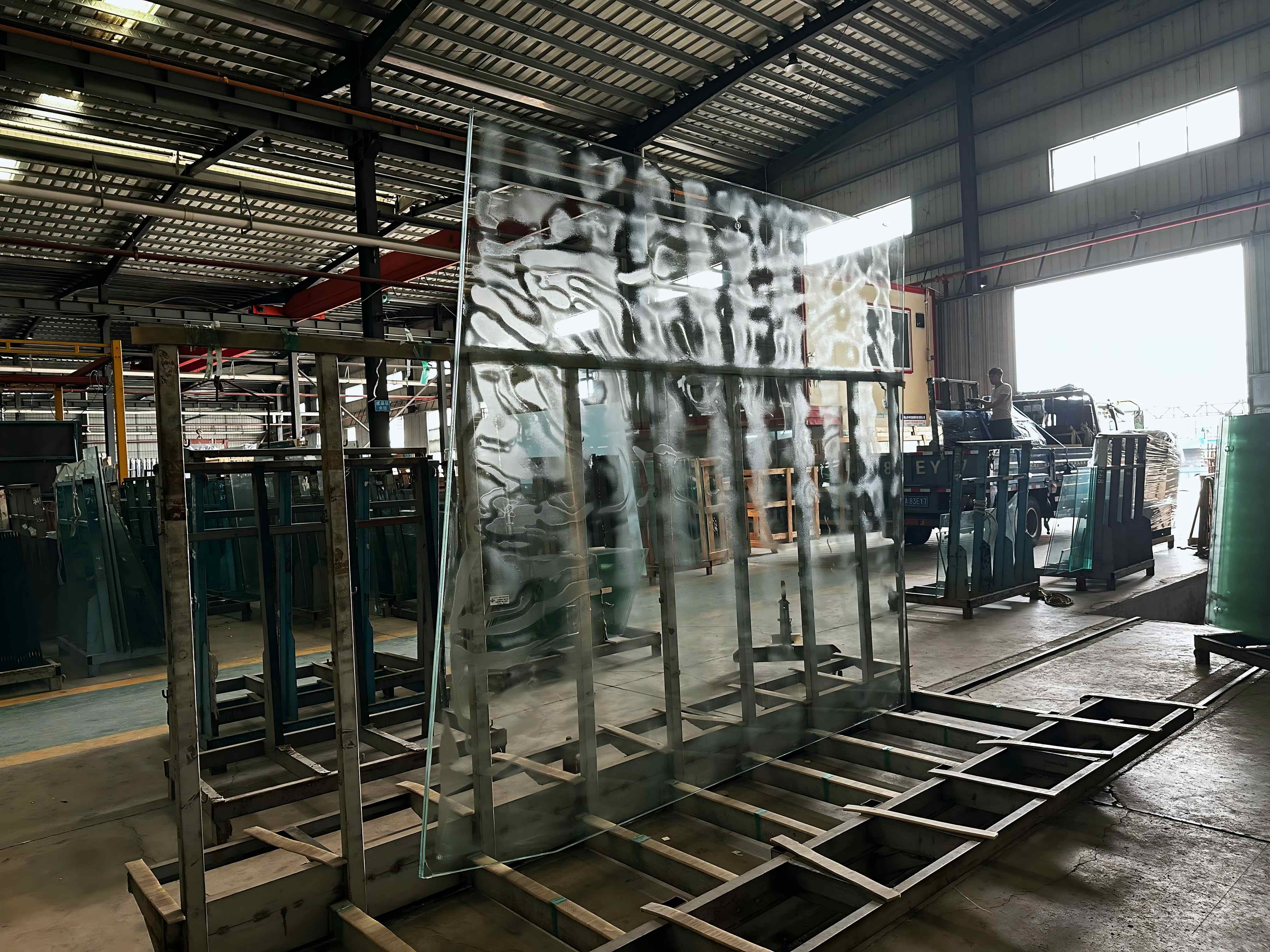
This article explains the causes and solutions for trapped air (air bubble) defects in the production of 5-sided irregular, large-size SGP laminated glass with multiple openings, and actionable process guidance for shaped laminated glass deep processing.
Solving Trapped Air Issues in 5-Sided Irregular Large-Size SGP Laminated Glass with Multiple Openings
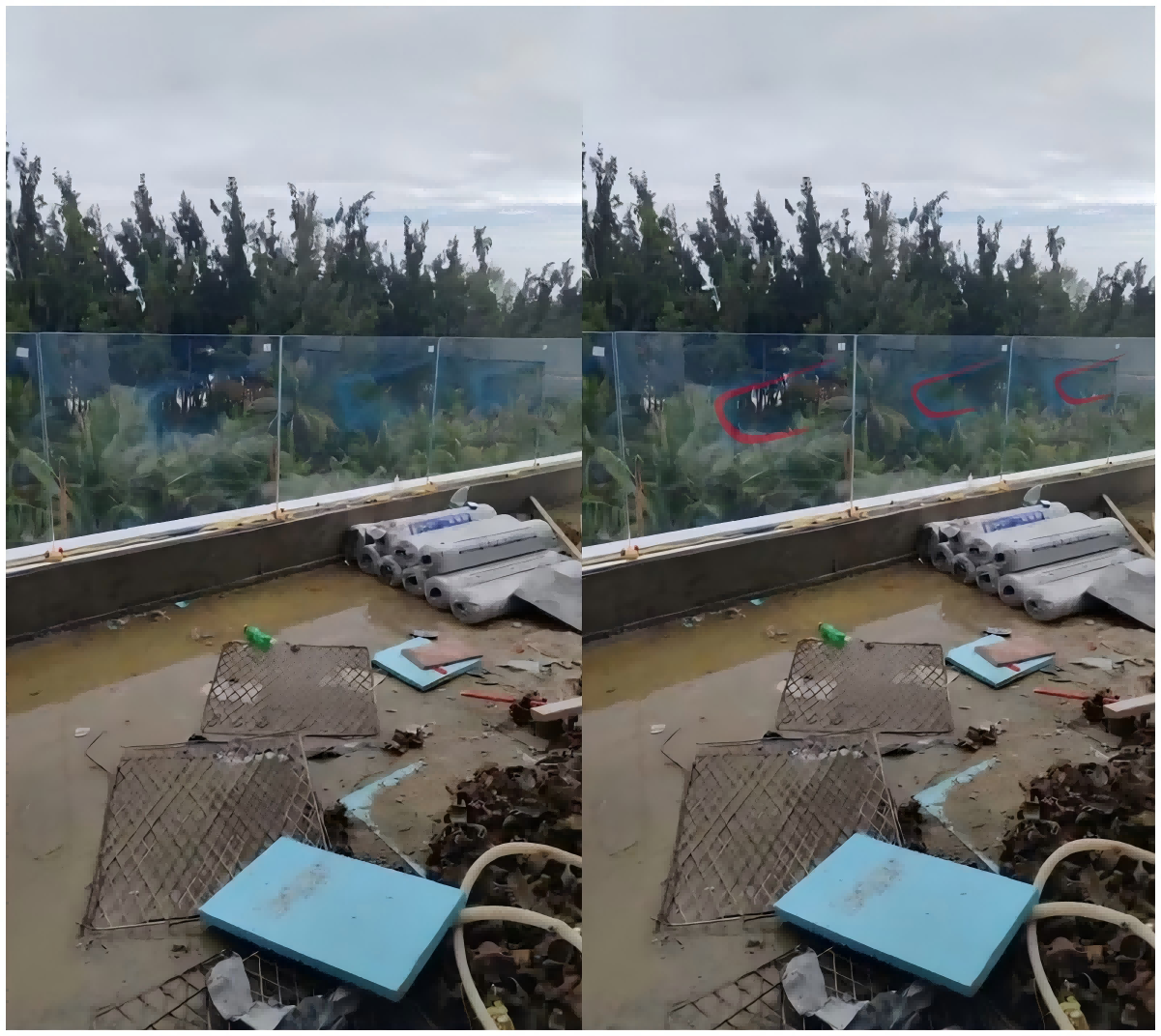
Solve internal fogging defects of SGP laminated glass by optimizing autoclave parameters (temperature, cooling rate). Professional laminated glass reprocessing & glass deep processing solutions.
Case Study:SGP Laminated Glass Fogging Defects of Consistent Shape