Why Does Ionoplast Interlayer Laminated Glass Still Have Bubbles Even with a Vacuum Bag?
author: Erika
2026-06-09
Project Technical Specifications Overview
-
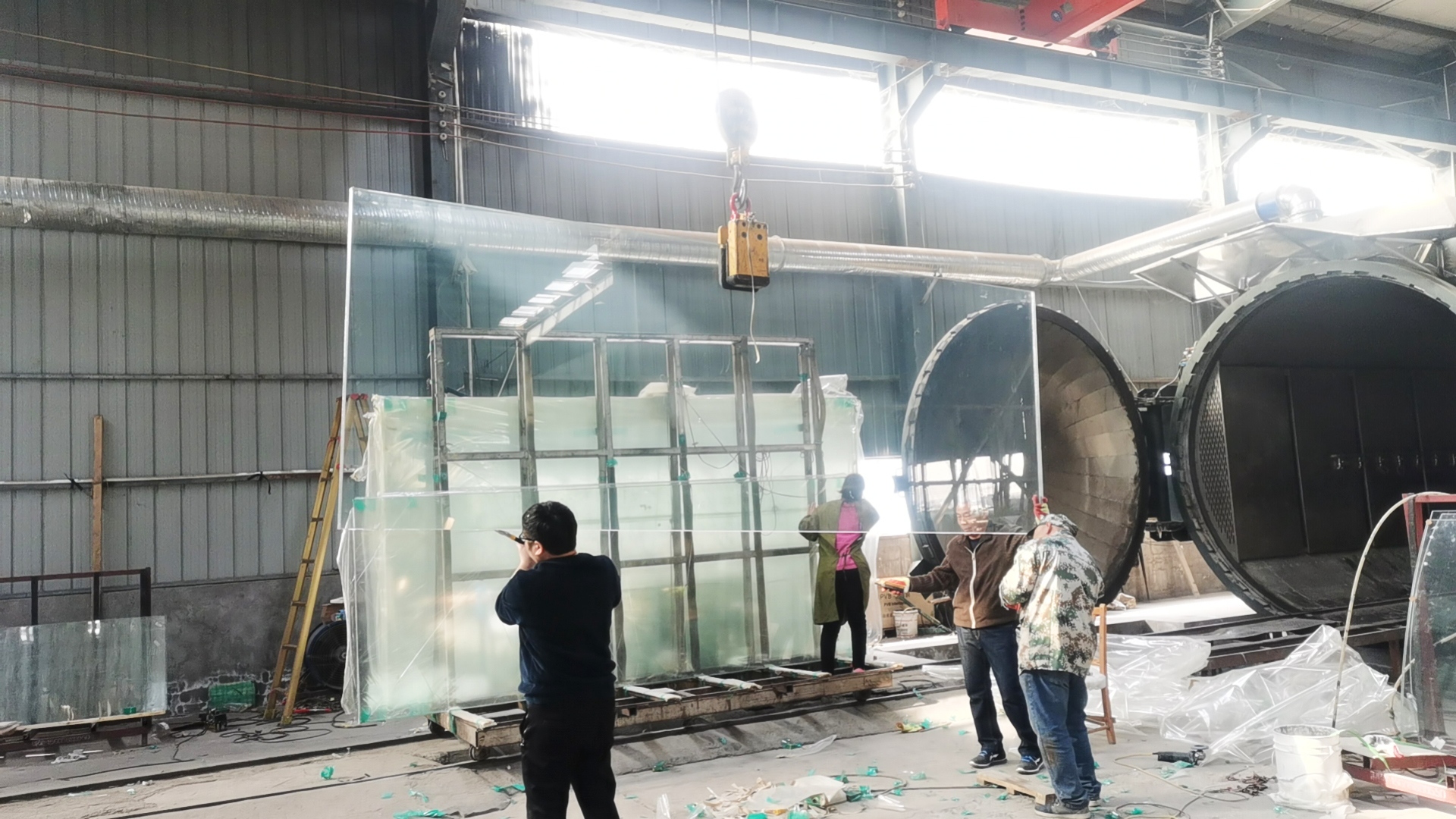
Glass Structure: 10 mm + 1.14 mm IPL (Ionoplast Layer) + 0.89 mm IPL + 10 mm
-
Single Sheet Dimensions: 2704 mm × 3515 mm (Approx. 9.5 m² per sheet)
1. Background & Processing Challenges
This case study is based on a real-world troubleshooting scenario resolved on-site by the Innolamin technical service team.
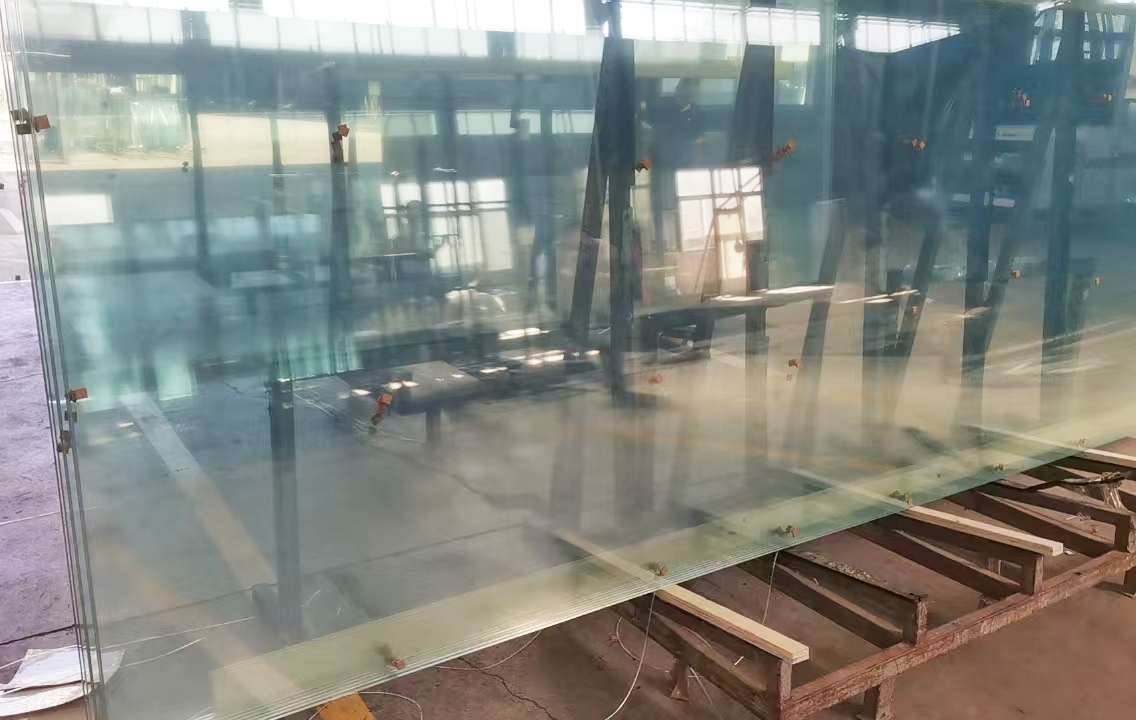
The project involved processing oversized laminated glass with a complex multi-layer structure: 10 mm + 1.14 mm IPL + 0.89 mm IPL + 10 mm, featuring a massive surface area of roughly 9.5 square meters per sheet. The primary processing challenges were twofold:
-
Oversized Dimensions: The large footprint naturally complicates air evacuation.
-
Asymmetric Interlayer Stacking: The recipe required stacking two different thicknesses of Ionoplast functional interlayers (1.14 mm and 0.89 mm).
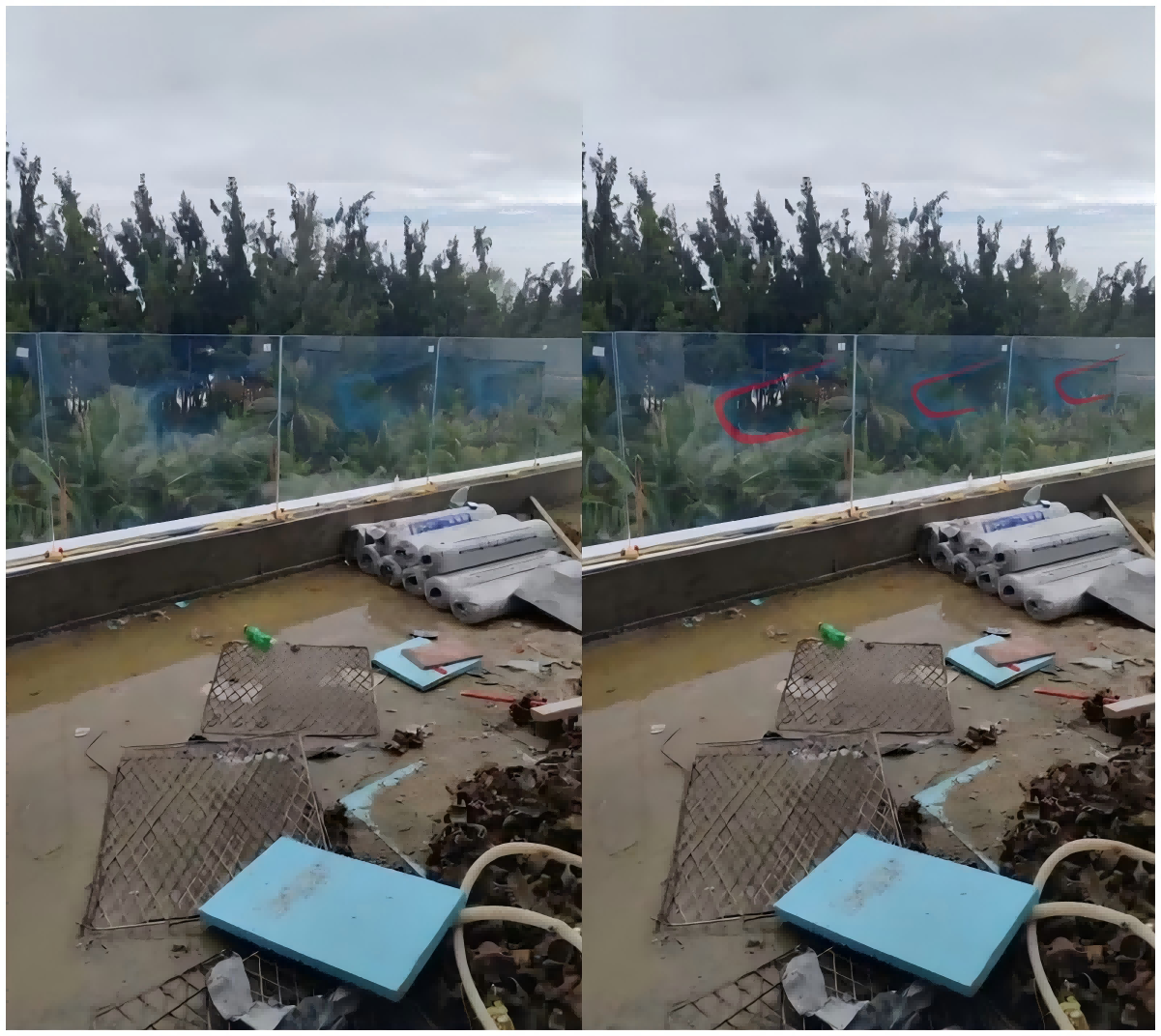
To guarantee optimal de-airing, the manufacturer implemented a vacuum bag pre-treatment process from the very beginning. However, after completing the autoclave cycle, the finished glass still exhibited widespread bubbling, localized hazing, and insufficient transparency.

2. On-Site Troubleshooting & Root Cause Analysis
Upon receiving the request for technical assistance, Innolamin engineers rushed to the production line to systematically inspect the processing equipment and parameters.
In daily production, many glass processors instinctively blame vacuum bag leaks or poor sealing when bubbling occurs. They frequently overlook the condition of the autoclave's internal vacuum components. Following an in-depth on-site inspection, the Innolamin team identified two critical issues causing the defects:
-
Autoclave Vacuum Component Power Degradation: One set of the vacuum assemblies inside the autoclave had suffered significant power degradation. This hidden hardware flaw directly resulted in insufficient vacuum pressure during the cycle, making it impossible to completely evacuate residual air trapped between the stacked interlayers and along the edges.
-
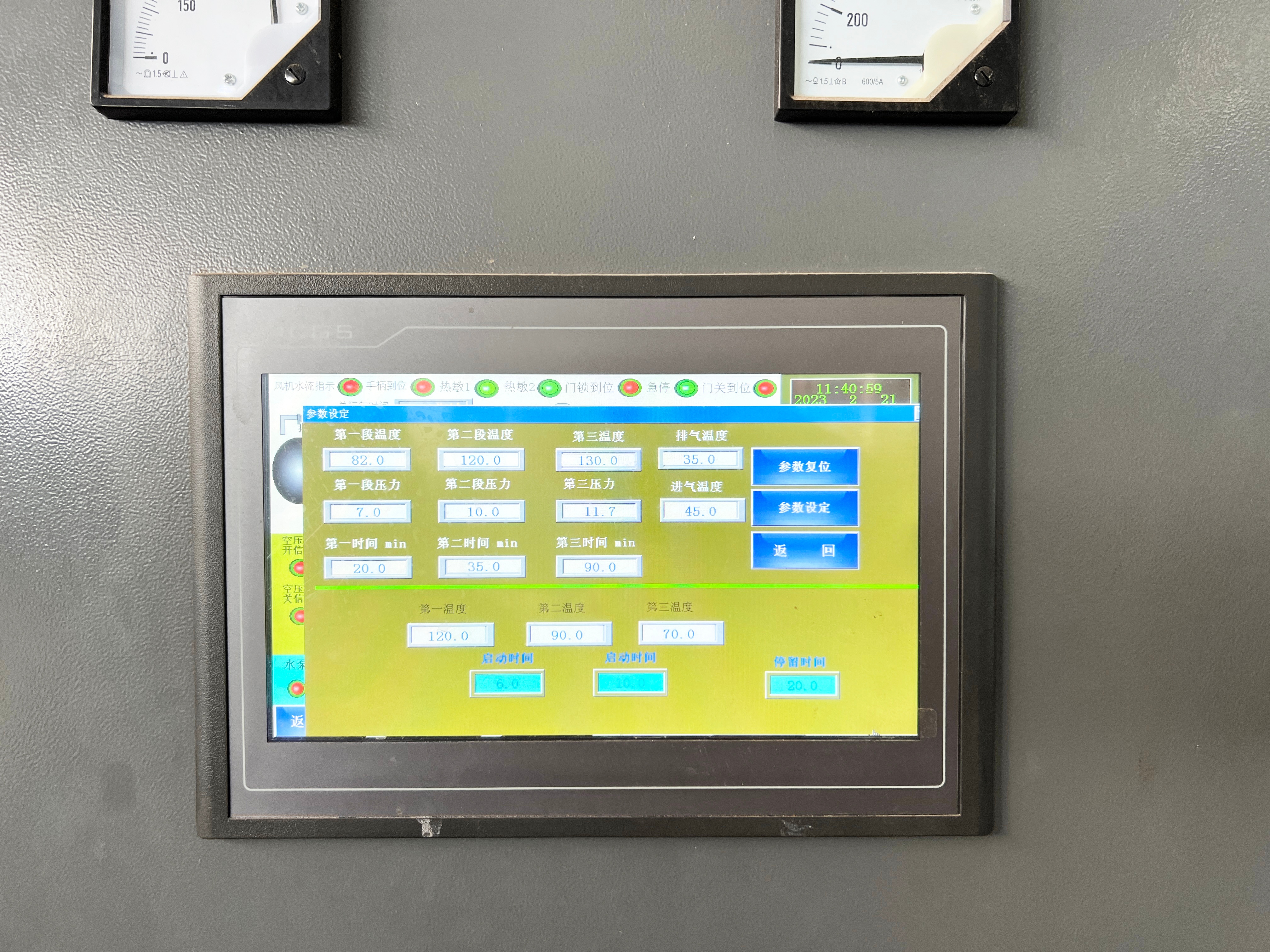
Parameter Diagnostics: The customer's original parameter settings and Innolamin's diagnostics are detailed in the table below:
| Processing Stage | Original Parameters (Customer) | Technical Diagnostic Analysis |
| Stage 1 | Temperature: 80°C | Hold Time: 20 min | Pressure: 0.6–0.8 MPa | Normal pre-heating and initial pressing. |
| Stage 2 | Temperature: 125°C | Hold Time: 90 min | Pressure: 1.1 MPa | Temperature too low. It fails to meet the required processing temperature for Ionoplast structural interlayers (SGP/IPL). |
3. Solutions & Successful Rework Results
To address the faulty hardware and suboptimal parameters, the Innolamin technical team collaborated with the shop floor management to immediately implement targeted corrective actions:
-
Hardware Overhaul: The team organized maintenance personnel to service the degraded vacuum system. Damaged vacuum components were replaced, successfully restoring the autoclave's vacuum suction capacity to its rated standard.
-
Parameter Fine-Tuning: While keeping the Stage 1 parameters, hold time, and pressure unchanged, the Stage 2 processing temperature was increased from 125°C to 135°C.
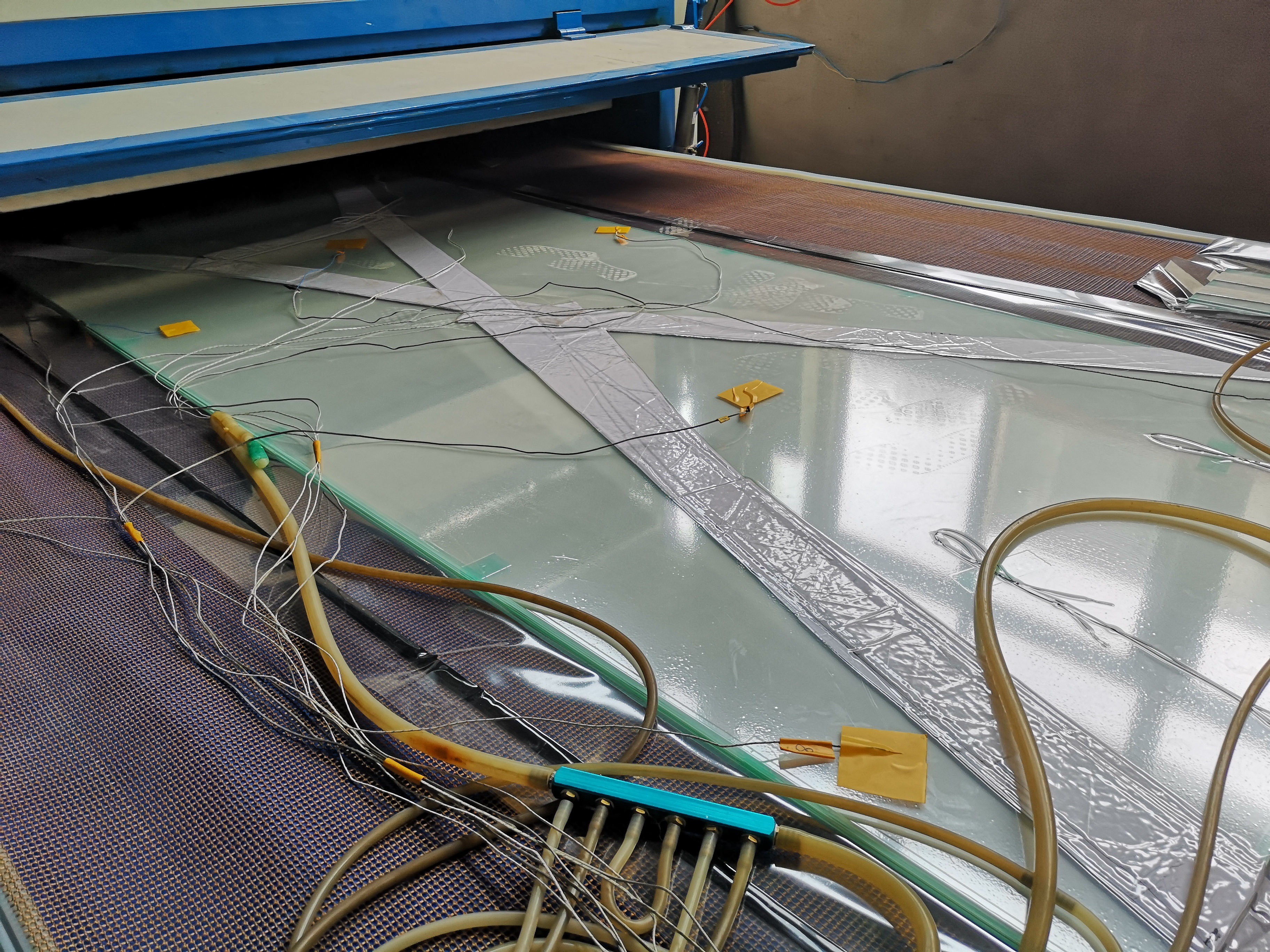
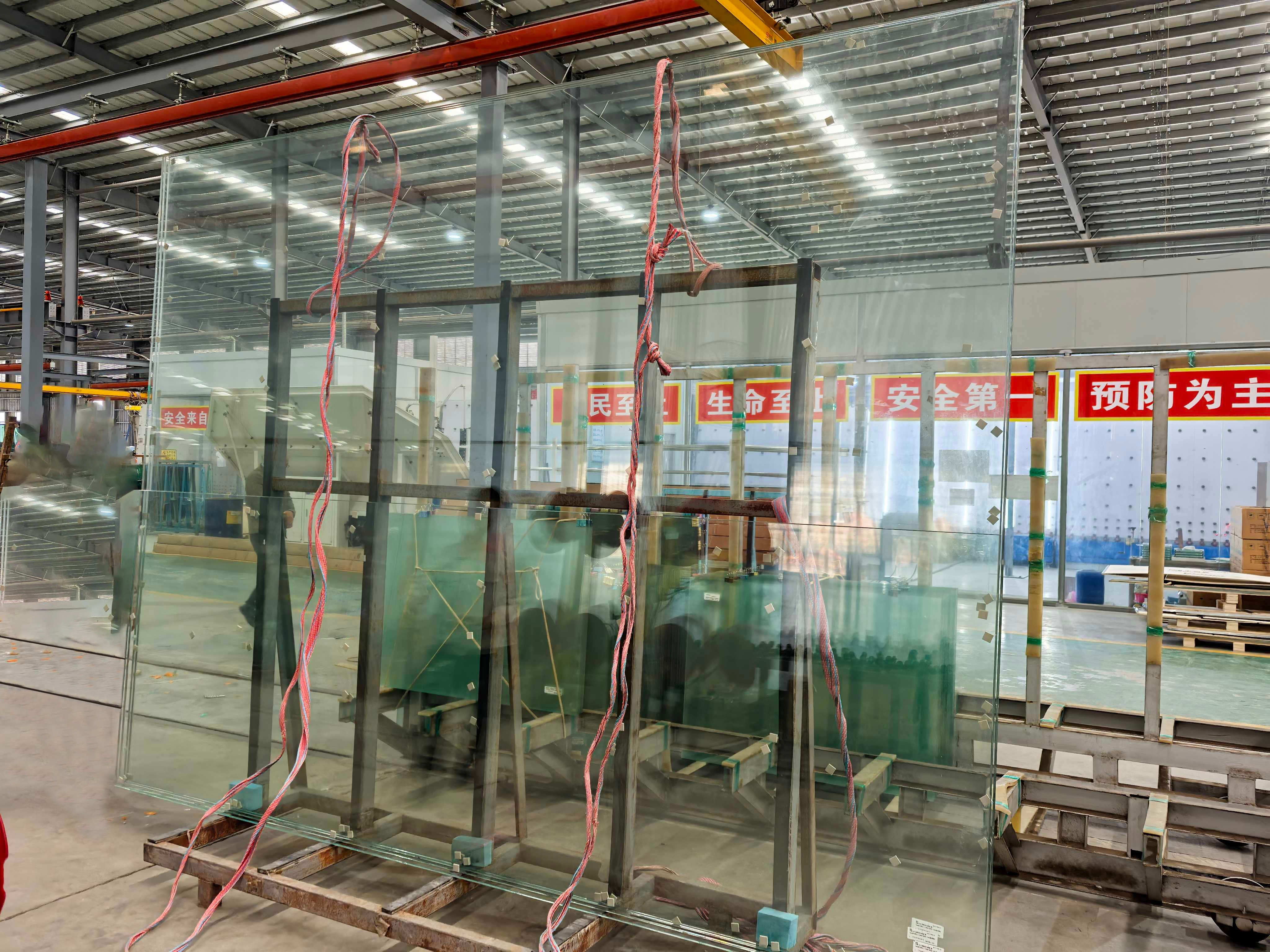
To salvage the material costs of the first batch of defective glass, Innolamin engineers guided the operators to reconnect the bubbled and hazed glass to the repaired autoclave vacuum system. The batch was then subjected to a re-autoclaving (rework) process using the optimized 135°C recipe.
The Result
The oversized laminated glass successfully completed the reworked cycle. The internal bubbles vanished completely, the localized hazing dissipated, and the overall clarity of the glass improved dramatically—successfully meeting the delivery standards and passing the quality inspection.
4. Conclusion & Key Takeaways
Having a correct workflow on paper does not automatically guarantee success in laminated glass processing. Precise parameter calibration and routine equipment maintenance frequencies are equally critical.
Degradation or minor leaks in an autoclave's internal vacuum components (such as pipelines, valves, and auxiliary pumps) are highly concealed. They are easily overlooked during routine production, making them the "invisible killers" behind large-scale quality defects.
The Innolamin technical team remains dedicated to working on the front lines, helping glass processors resolve complex pain points in advanced glass fabrication.
Case Study:SGP Laminated Glass Fogging Defects of Consistent Shape
How to Laminate PDLC Smart Glass Using EVA Film A Complete Guide
Related Article
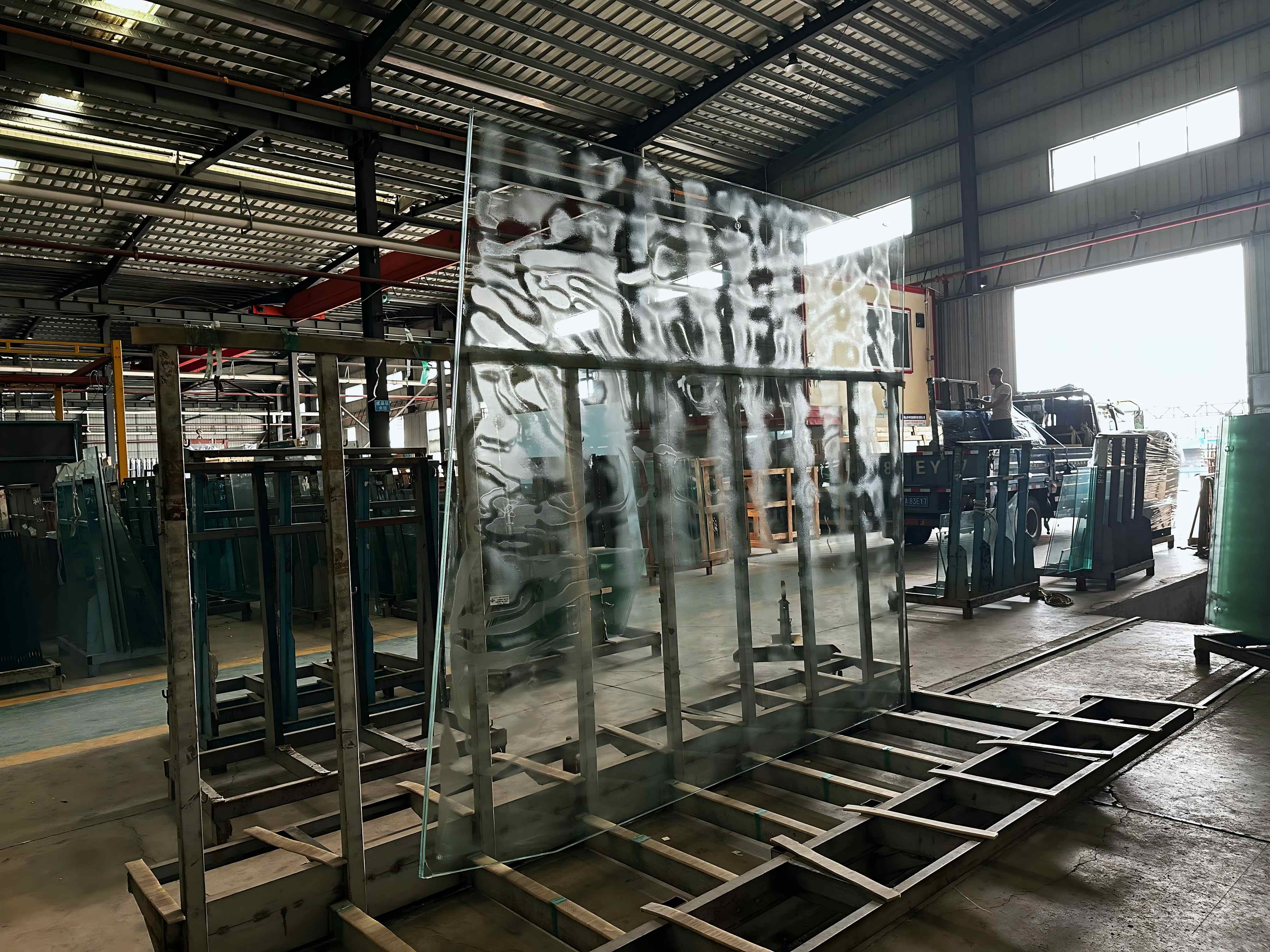
This article explains the causes and solutions for trapped air (air bubble) defects in the production of 5-sided irregular, large-size SGP laminated glass with multiple openings, and actionable process guidance for shaped laminated glass deep processing.
Solving Trapped Air Issues in 5-Sided Irregular Large-Size SGP Laminated Glass with Multiple Openings
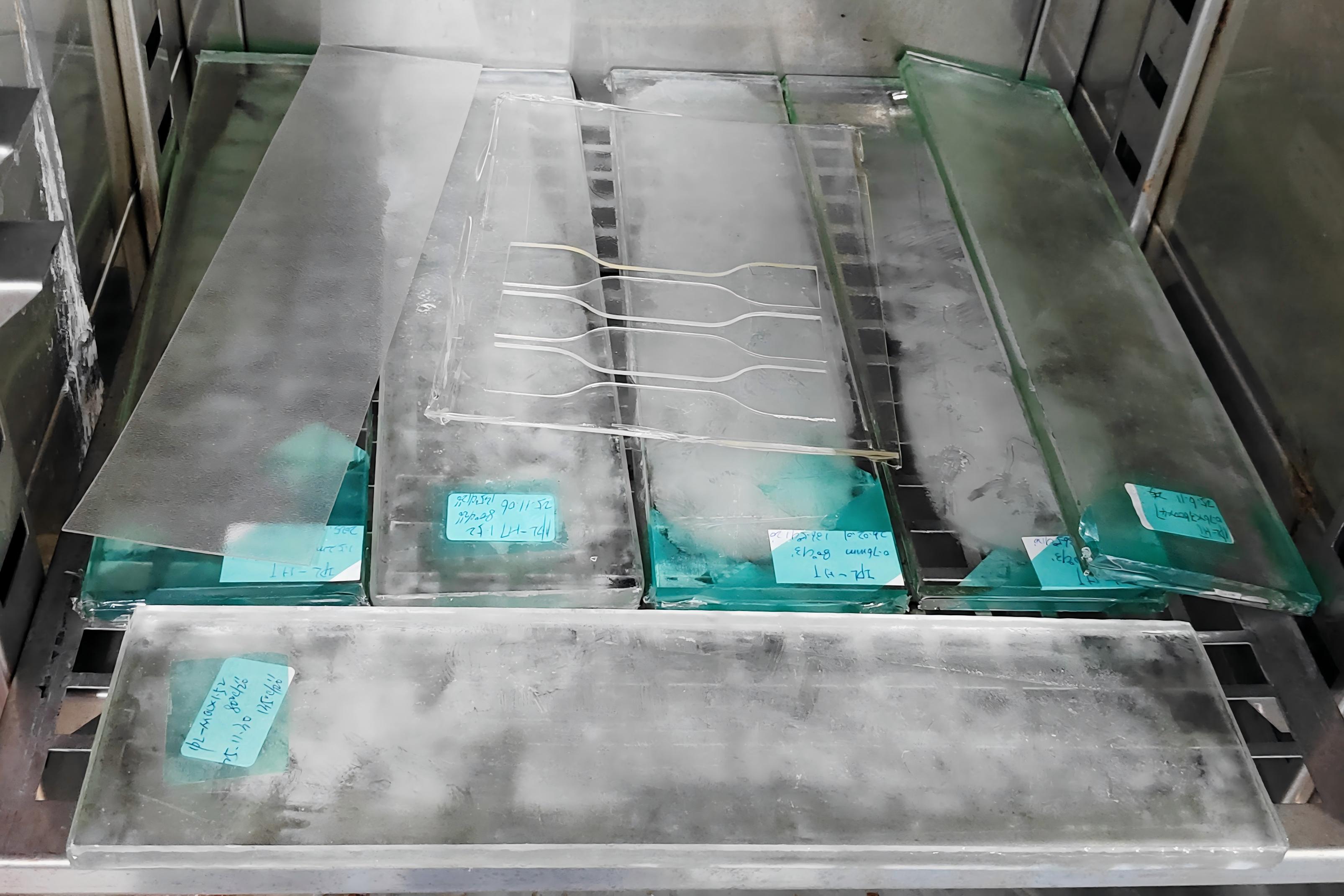
Rigorous freeze-thaw testing proves IPL (sgp ionoplast interlayer )maintains crystal clarity, strong adhesion, and no defects after 10 extreme cycles at -20°C. Reliable for cold-climate architecture.
SGP Laminated Glass in Extreme Cold: Does Repeated Freeze-Thaw Cause Fogging, Bubbles, or Delamination?