Recommended Applications for PVB, EVA, and SGP (Ionoplast) Interlayers in Laminated Glass
In the world of laminated glass, selecting the right interlayer is critical to ensuring performance, safety, aesthetics, and durability. Among the most widely used interlayer films are PVB (Polyvinyl Butyral), EVA (Ethylene Vinyl Acetate), and SGP (Ionoplast). Each material has unique characteristics that make it better suited for specific applications. This guide provides a detailed overview of where and why each interlayer is recommended, helping glass processors, architects, and engineers make informed decisions.



PVB (Polyvinyl Butyral): Trusted for Safety and Versatility
When it comes to balancing performance, transparency, and cost-effectiveness, PVB remains the most widely used interlayer material across industries. Let's explore why it continues to be the trusted choice for everyday safety glass applications.
Key Features:
High optical transparency (light transmittance between 88%-92%), maintaining clear and natural views through glass structures.
Superior adhesion to glass surfaces, ensuring fragments stay bonded after impact and significantly reducing injury risks.
Effective UV blocking, filtering out up to 99% of harmful ultraviolet rays and protecting interiors from fading.
Good acoustic insulation, helping to reduce noise transmission, enhancing comfort in both residential and commercial spaces.
Moderate moisture sensitivity, requiring controlled storage conditions to maintain its adhesive and optical qualities.
Recommended Applications:
Automotive Windshields
PVB has long been the industry standard for automotive safety glass. In the event of a collision, PVB holds shattered glass together, preventing dangerous shards from causing injuries. Its combination of flexibility, clarity, and safety makes it irreplaceable in car manufacturing.
Architectural Laminated Glass
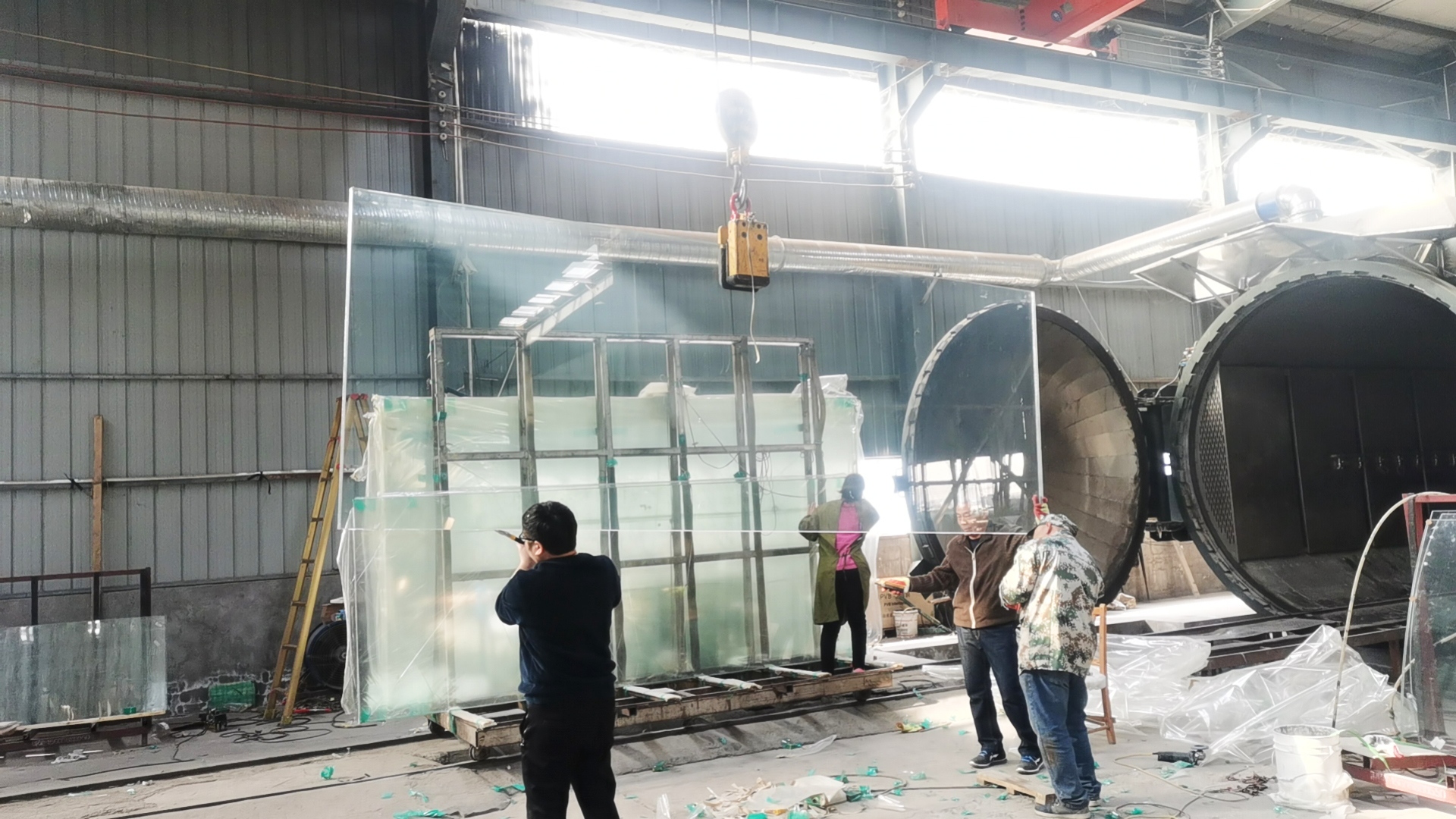
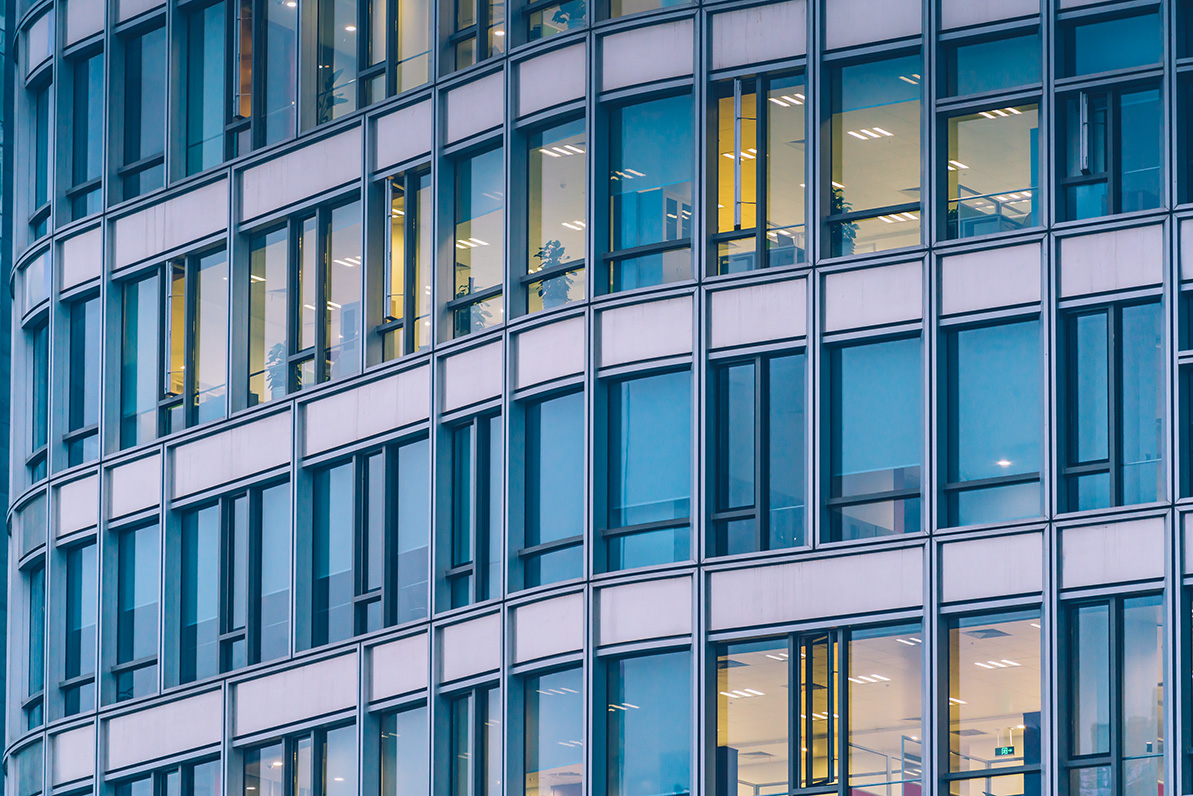
For facades, curtain walls, skylights, and atriums, PVB offers the perfect balance of aesthetics, safety, and durability. It provides enhanced protection against accidents while allowing architects to design large, elegant glass structures.
Acoustic Laminated Glass
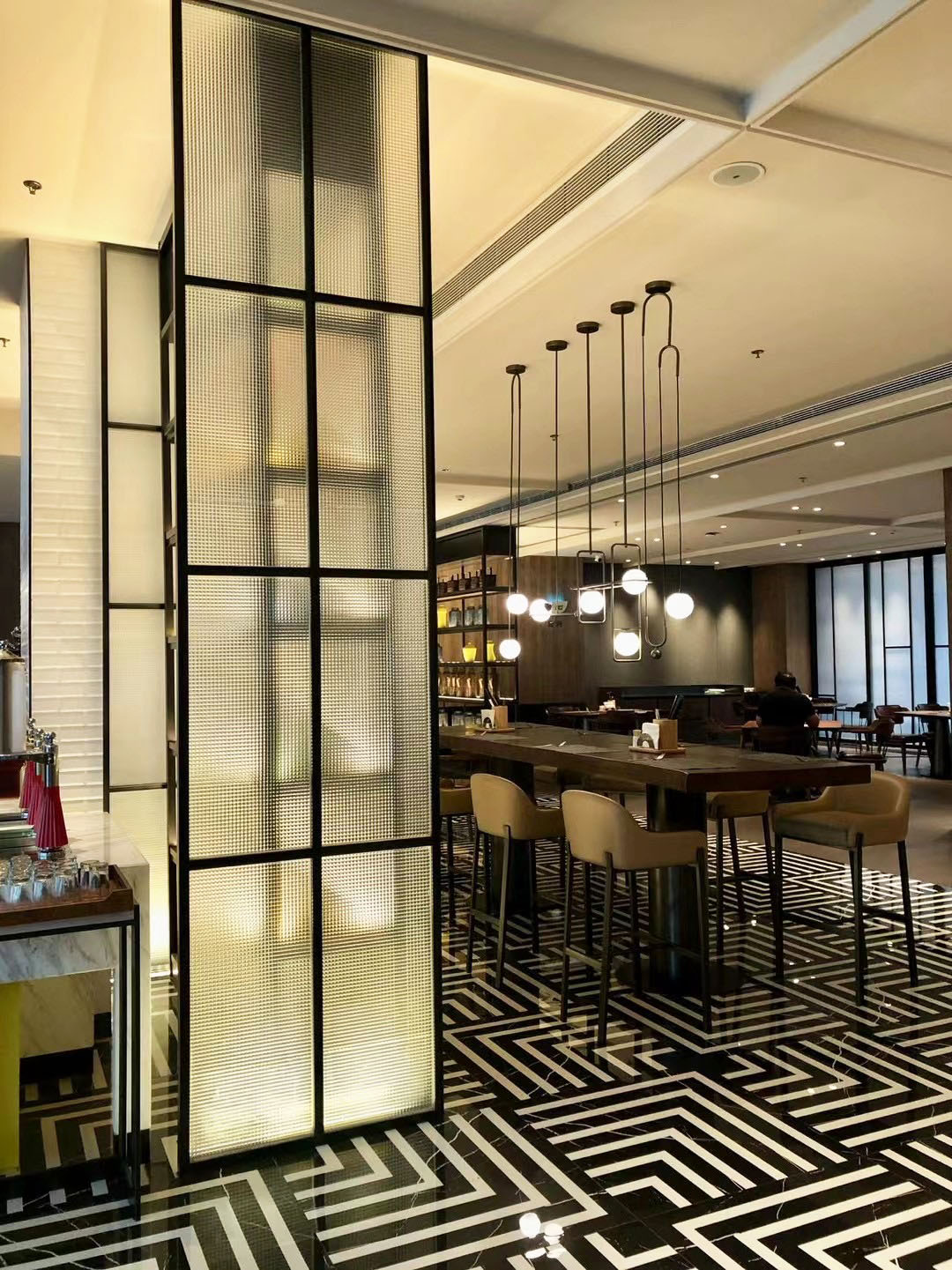
PVB’s natural dampening qualities make it ideal for soundproof glass installations. Whether in airports, hotels, office buildings, or residential complexes, laminated glass with acoustic-grade PVB enhances tranquility and privacy.
Solar Control and Photovoltaic Glass
Specialized PVB films are used in Building Integrated Photovoltaics (BIPV), where they encapsulate solar cells, providing both protection and transparency necessary for efficient energy generation.
Best Use Case:
PVB is recommended for projects that prioritize safety, visual clarity, and cost-effectiveness. It’s the go-to solution for general-purpose laminated glass where high performance across multiple parameters is required.
EVA (Ethylene Vinyl Acetate): Best for Decorative and Moisture-Prone Environments
While PVB leads in traditional safety applications, some projects demand greater design flexibility and moisture resistance, especially in interior spaces and specialized environments. Here’s where EVA steps in with unique advantages.
Key Features:
Excellent moisture resistance, allowing for more flexible storage and longer shelf life without the strict humidity controls PVB requires.
Lower-temperature lamination, eliminating the need for high-pressure autoclaves and making it suitable for smaller processors and customized applications.
Good flexibility and adhesion to a wide range of substrates, expanding creative possibilities.
Strong weather resistance achieved through crosslinking reactions during curing.
Slightly lower mechanical strength compared to PVB and SGP, but often sufficient for interior and decorative applications.
Recommended Applications:
Decorative Glass Installations
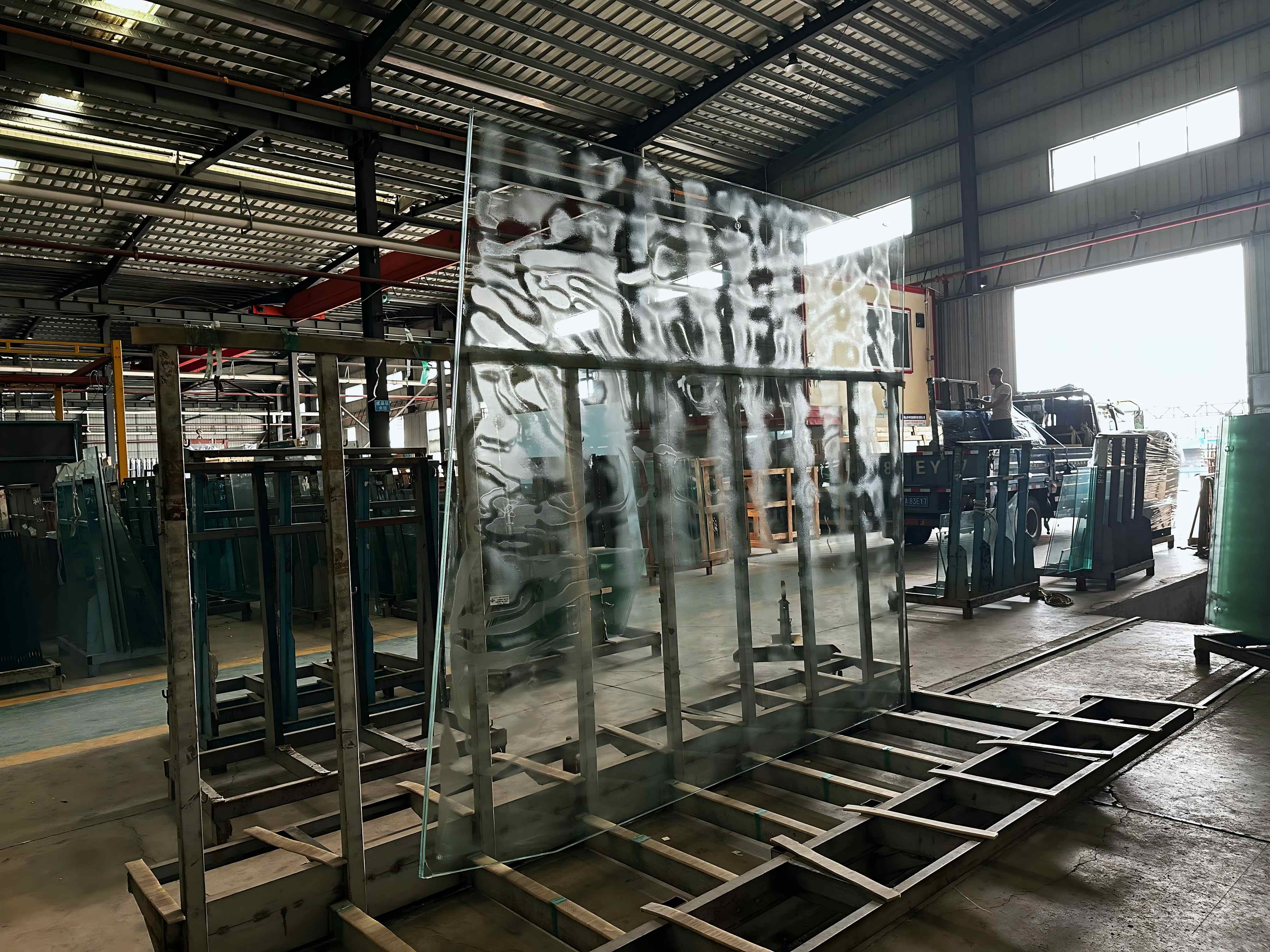
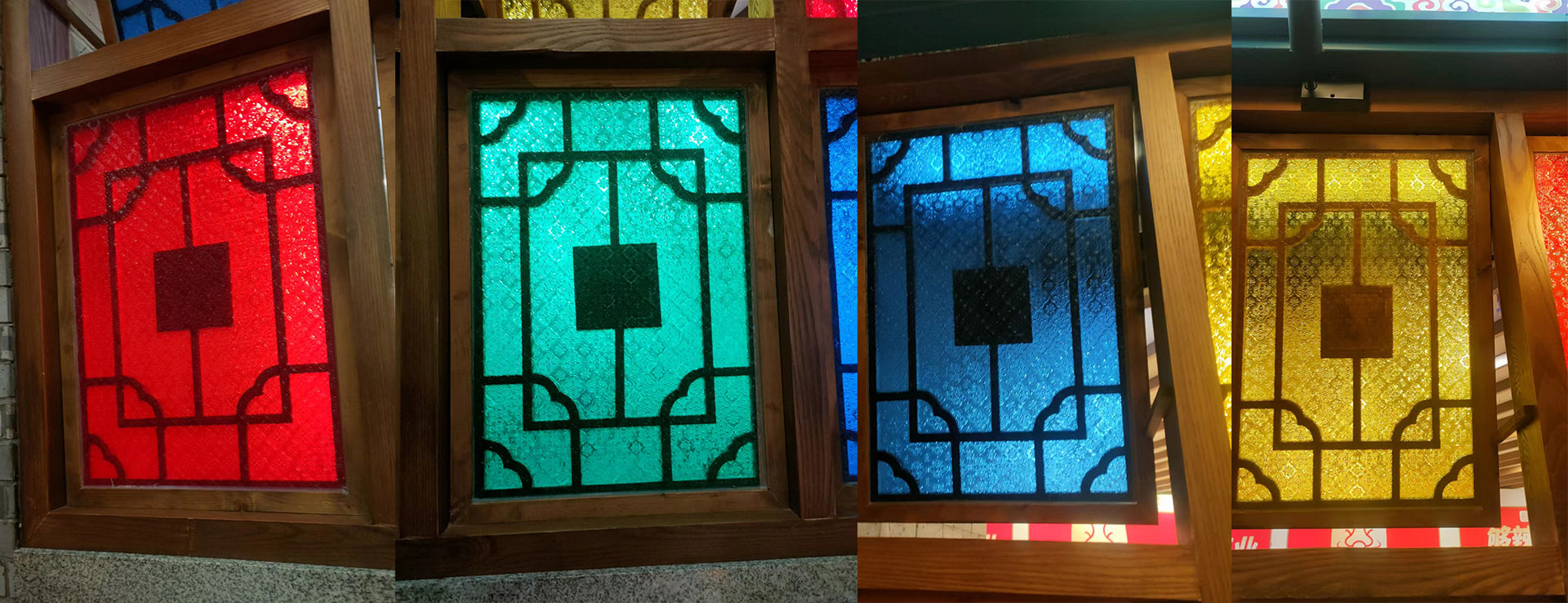
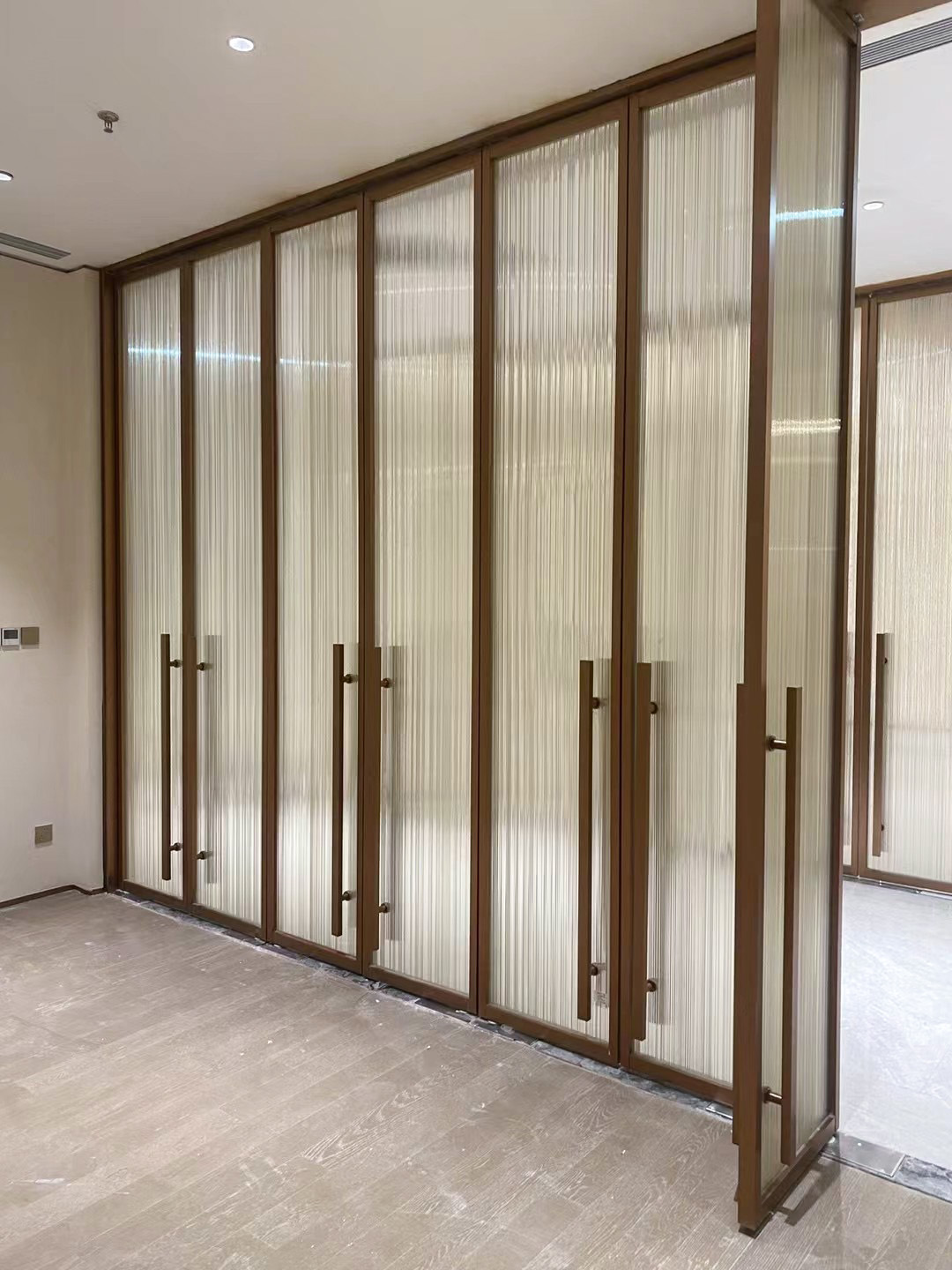
EVA excels in embedding materials like fabrics, colored films, and printed designs within glass panels. This capability opens up limitless creative opportunities for interior partitions, doors, furniture, and display cases.
Solar Panels and BIPV
Thanks to its strong resistance to moisture, EVA is widely used in the lamination of solar panels, particularly in environments prone to high humidity or temperature variations.
Interior Glass Partitions and Flooring
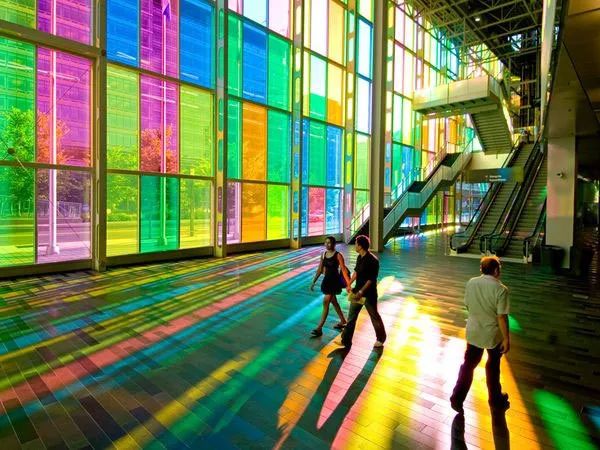
EVA’s ability to incorporate vivid colors and artistic elements into glass makes it ideal for office partitions, stair treads, walkable glass floors, and other visually demanding interior projects.
Moisture-Resistant Laminated Glass
In bathrooms, spas, swimming pools, and marine settings where moisture exposure is constant, EVA maintains its structural integrity better than conventional PVB.
Best Use Case:
Choose EVA for decorative, customized, or moisture-exposed projects where processing flexibility and creative design are more important than maximum mechanical strength.
SGP (Ionoplast): Ultimate Choice for Structural Strength and Extreme Conditions
For projects that push the limits of what glass structures can achieve—whether it’s towering facades or extreme weather defenses—standard interlayers are no longer enough. Enter SGP, engineered for the most demanding structural and environmental conditions.
Key Features:
Exceptional strength and rigidity, offering 50 times the strength and 5 times the rigidity of PVB.
Outstanding weather resistance, showing minimal yellowing and superior durability against UV and moisture exposure.
Structural integrity even after breakage, ensuring laminated panels stay intact under extreme forces.
Superior optical clarity, with light transmittance above 92%, ideal for luxury and high-performance projects.
Allows thinner and lighter constructions without sacrificing safety, supporting cutting-edge architectural innovation.

Recommended Applications:
High-Rise and Structural Glass Facades
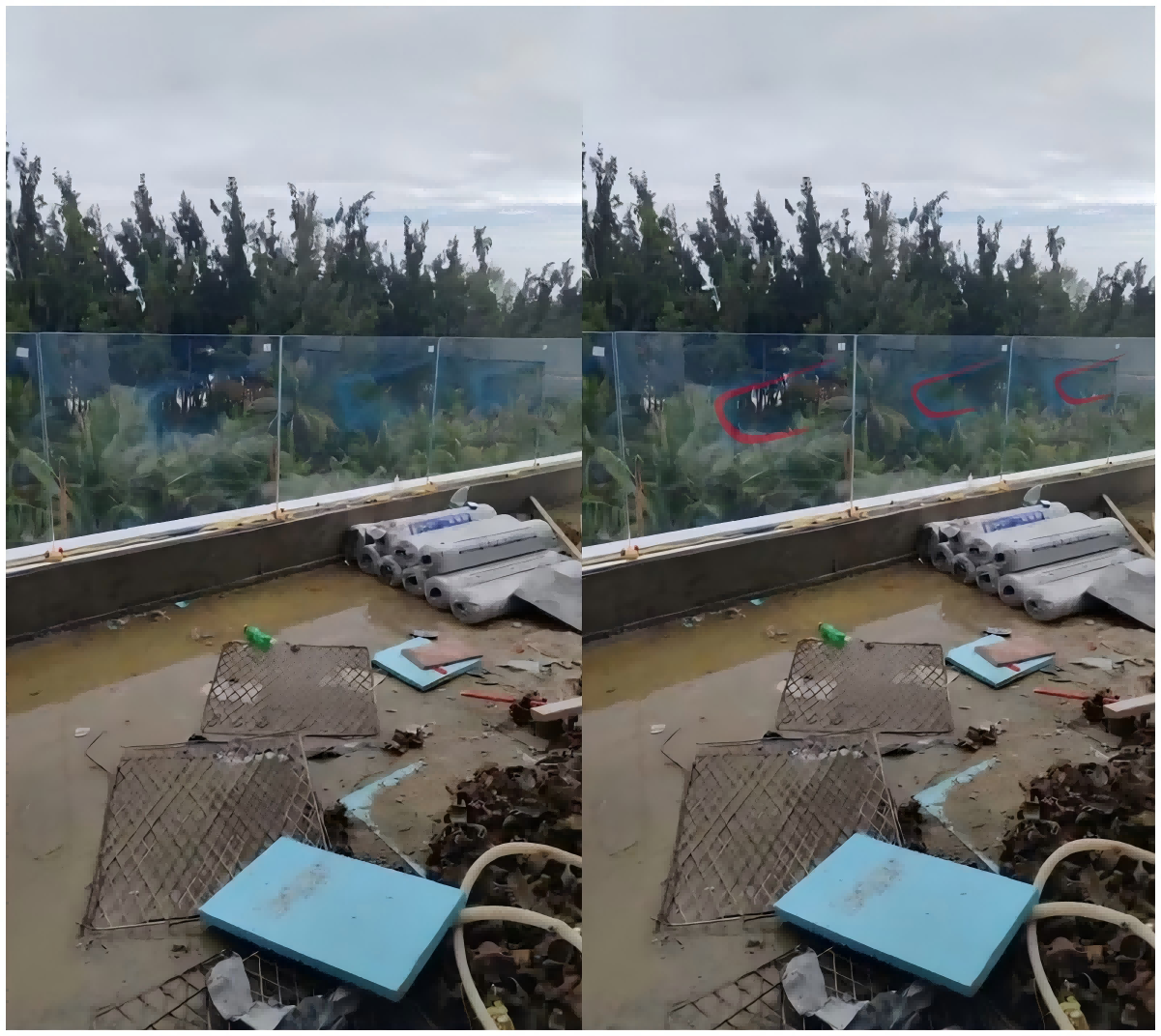
SGP is essential in large-scale glass facades and frameless balustrades, where the glass itself must bear loads traditionally supported by metal structures.
Security Glazing
For banks, embassies, military buildings, and other sensitive facilities, SGP provides reliable blast and ballistic resistance, critical for protecting lives and property.
Hurricane and Extreme Weather Glazing
In coastal areas facing hurricanes and typhoons, laminated glass using SGP offers unmatched protection against wind-borne debris and structural pressures.
Marine and Yacht Applications
SGP withstands the harsh marine environment better than any other interlayer, making it the preferred choice for luxury yachts, cruise ships, and offshore facilities.
Best Use Case:
Select SGP when your project demands maximum strength, structural performance, weather endurance, and long-term safety assurance in extreme conditions.
Choosing the Right Interlayer: Key Takeaways
With a clear understanding of each material’s strengths, it’s easier to match the right interlayer to your project needs. Here’s a simple breakdown to guide your decision-making process.
· For well-rounded safety and versatility across a wide range of projects, PVB is the preferred option.
· For creative, decorative applications or moisture-prone environments, EVA offers the flexibility and ease of processing you need.
· For high-risk, heavy-duty, or structurally demanding applications, SGP delivers unmatched strength and durability.
Each project demands a careful evaluation of conditions, performance requirements, and design intentions. Selecting the correct interlayer not only enhances the lifespan and aesthetics of laminated glass but also ensures safety and long-term user satisfaction.
How to Laminate PDLC Smart Glass Using EVA Film A Complete Guide
Laminated Glass Interlayers: PVB, EVA, SGP, and TPU Comparison Guide
Related Article