Can Laminated Glass with EVA Film Be Used Outdoors? Key Indicator: Cross-Linking Rate
1. Introduction
In the global architectural and decorative glass industry, Ethylene-Vinyl Acetate (EVA) film has long been celebrated for its versatility, lower processing costs, and excellent adhesion to various inserts. However, a persistent debate remains: is EVA truly suitable for permanent outdoor installations?
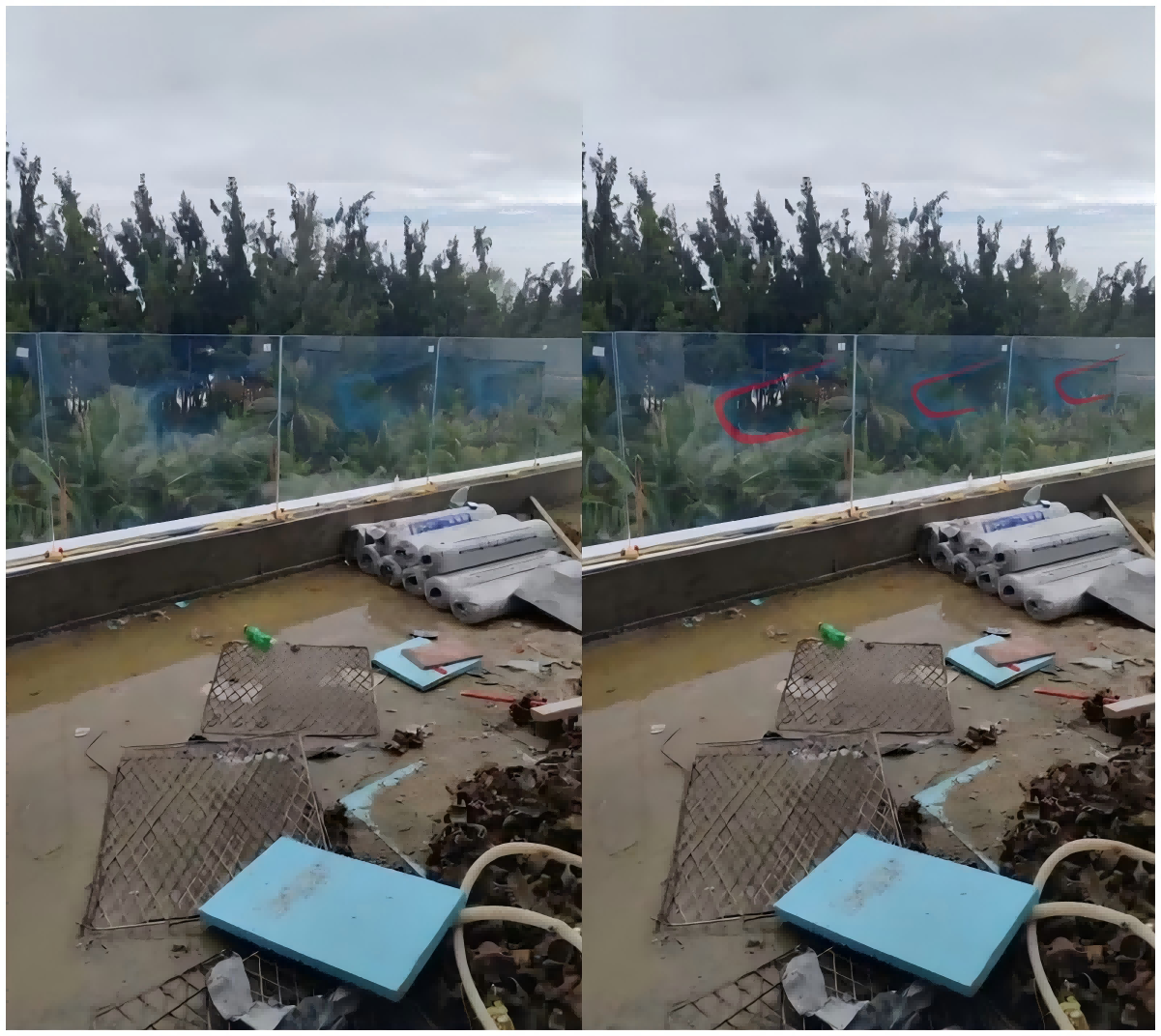
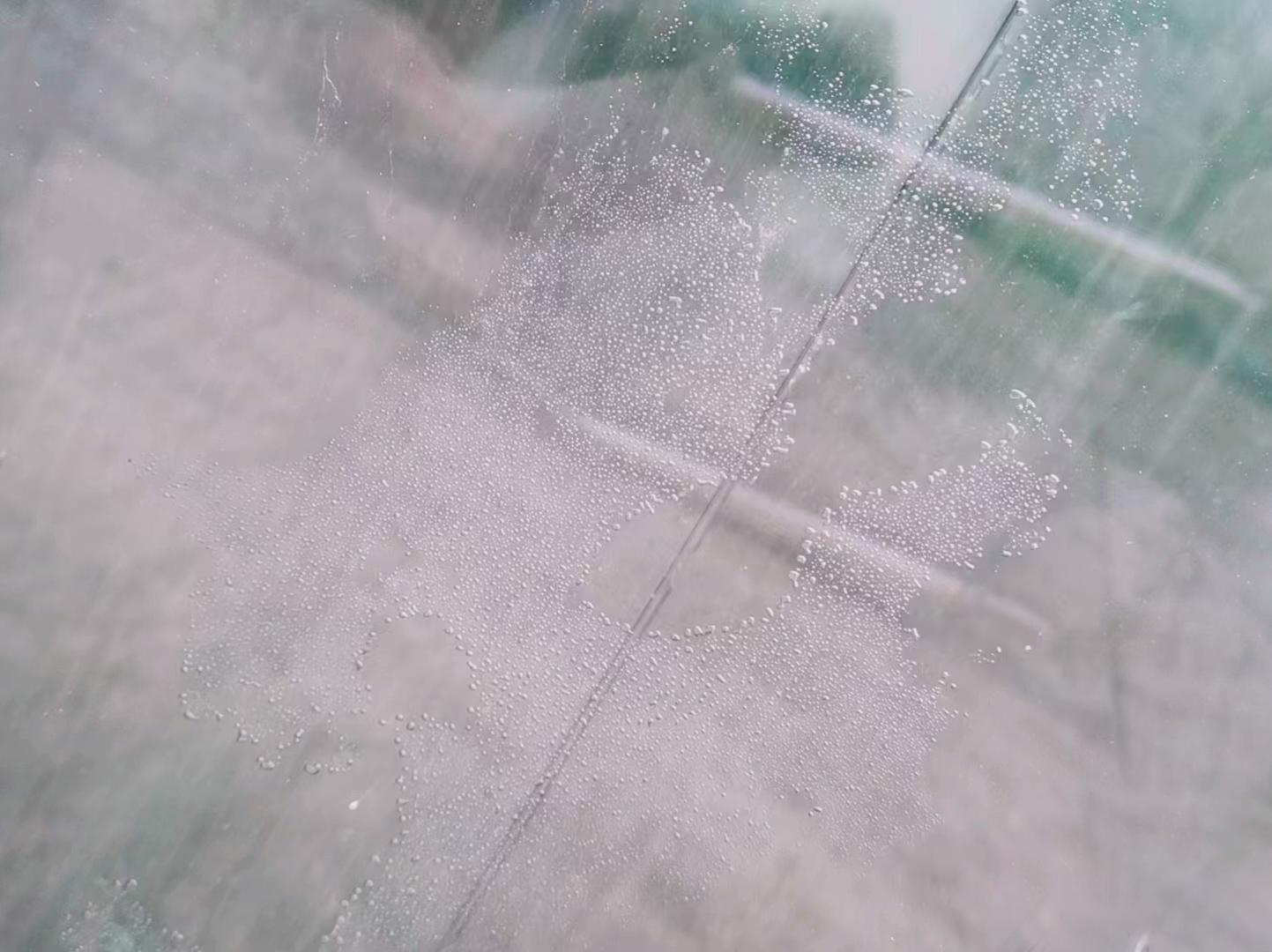
Many contractors and glass processors have encountered nightmarish scenarios after installing EVA-laminated glass in outdoor environments. Within 6 to 24 months, beautiful glass structures may begin to show signs of failure: unsightly yellowing that clouds transparency, bubbling at the edges, or catastrophic delamination where the glass panes physically separate from the interlayer.
Outdoor glass must endure a relentless barrage of environmental stressors. These include high relative humidity, extreme UV radiation, and dramatic thermal cycling—the constant expansion and contraction caused by the difference between daytime heat and nighttime cold. Because of frequent failures in the past, many industry professionals prematurely concluded that EVA is strictly an "indoor material."
The truth is more nuanced. Many of these failures do not stem from a fundamental flaw in EVA technology itself, but rather from the use of the wrong type of EVA or, more importantly, an inadequate understanding of how to verify its performance. For a glass interlayer to survive the outdoors, it must possess a specific chemical "armor," and that armor is measured by one critical metric: the Cross-Linking Rate.
2. Can EVA Be Used Outdoors?
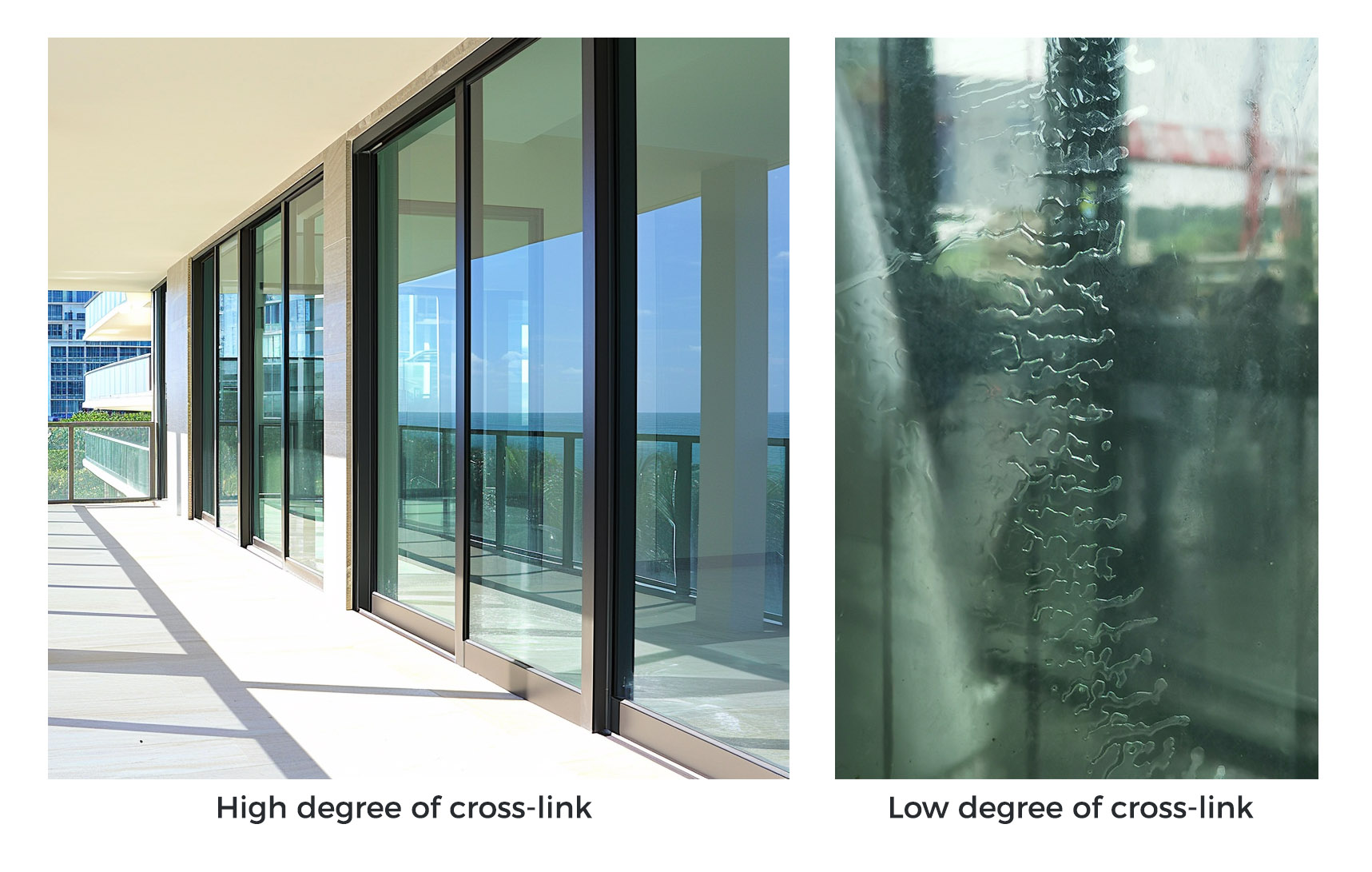
The definitive answer to whether EVA can be used outdoors is conditional: Yes, EVA film can be used for outdoor laminated glass. However, this comes with a massive caveat—not all EVA films are created equal.
The market is flooded with various grades of EVA, ranging from low-cost decorative films intended for indoor partitions to high-performance structural safety interlayers designed for facades and glass railings. The "DNA" that separates a failure-prone indoor film from a resilient outdoor film is the Cross-Linking Rate.
The cross-linking rate is the decisive technical indicator. It represents the transition from a thermoplastic state to a thermoset state. Without reaching a specific percentage of cross-linking, the interlayer remains vulnerable to heat-induced softening and chemical breakdown. Therefore, the question for glass processors is not just "if" they can use EVA, but "what degree of cross-linking" their specific film and process can guarantee.
3. Understanding Cross-Linking Rate: From Linear to Network
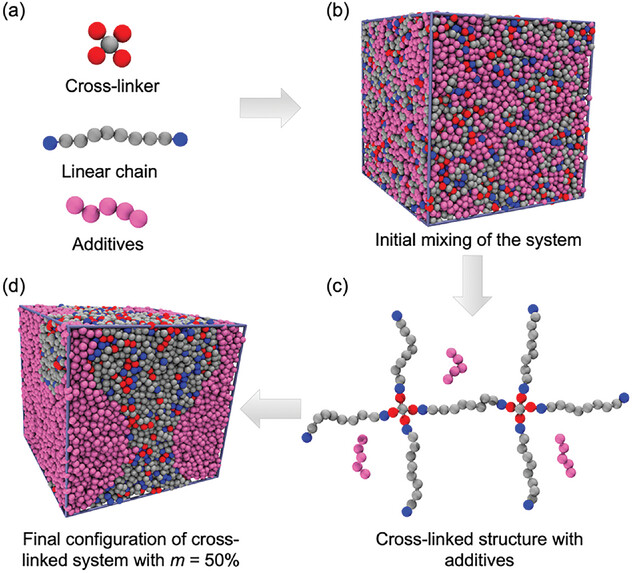
To understand why this metric matters, we must look at the chemistry of the material. In its raw, unrefined state, EVA is a thermoplastic material consisting of long, linear, or branched molecular chains. Imagine these chains as loose strands of spaghetti in a bowl; they can slide past each other easily when heat or pressure is applied. This "loose" structure is what allows the film to melt and flow during the lamination process to fill gaps and bond to the glass.
Cross-linking is the chemical process where these independent polymer chains are permanently bonded together by chemical links, transforming them into a three-dimensional, interconnected network.
· Thermoplastic State (Linear): The chains are held together by weak intermolecular forces. Under thermal stress or mechanical load, these chains can slide past one another, leading to material "creep" or flow.
· Thermoset State (Cross-linked): Once the chemical links are established, the chains are locked into a permanent grid. This transformation is irreversible. Even if the temperature rises significantly, the material retains its structural integrity and does not return to a liquid or semi-liquid state.
To use a simple analogy:
Low/No Cross-Linking: Like a pile of loose bricks. If you push them or pour water over them, they move and shift.
High Cross-Linking: Like a reinforced concrete wall where the bricks are bound by mortar and steel rebar. It becomes a single, rigid, and stable entity.
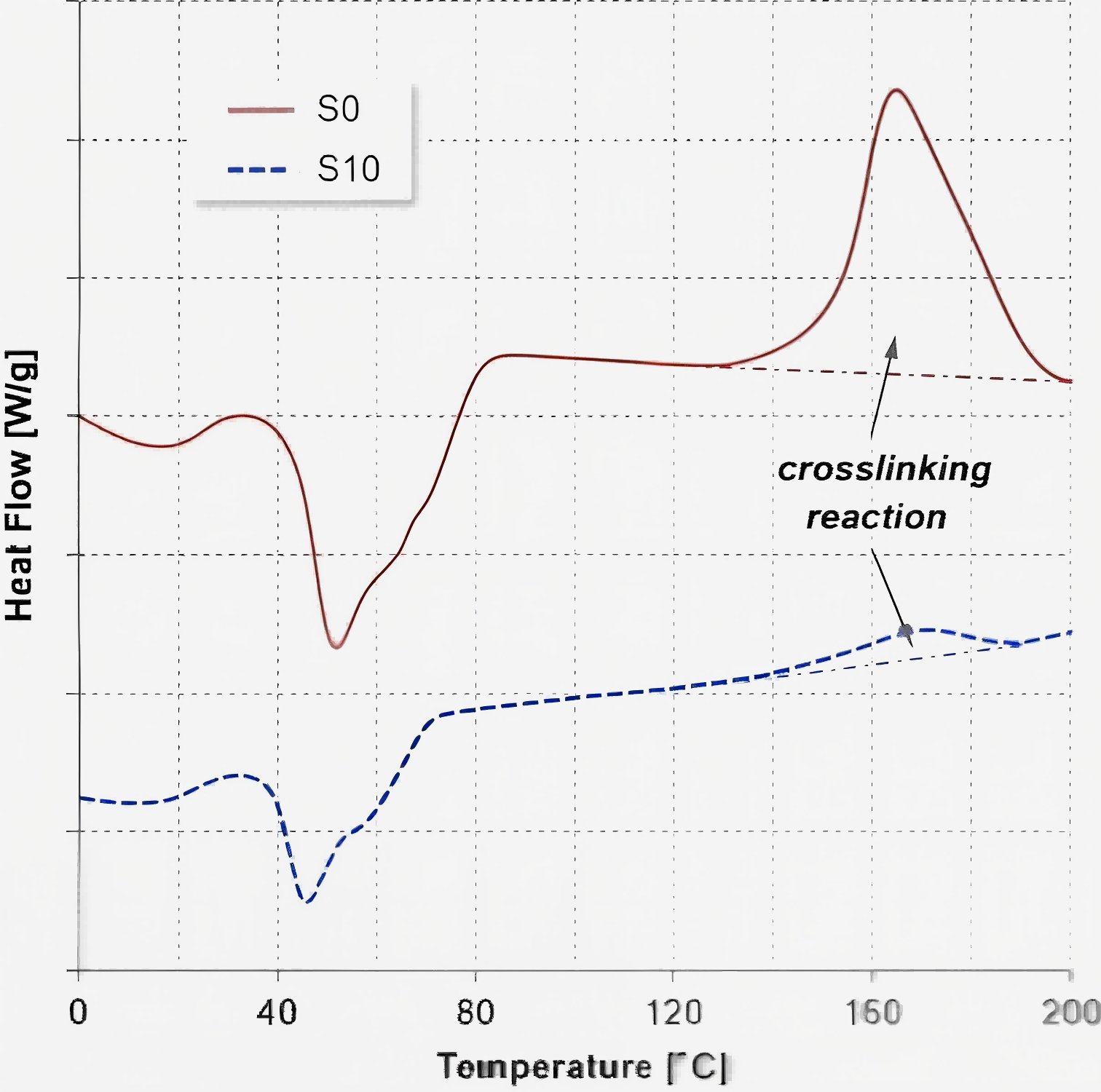
The Cross-Linking Rate is expressed as a percentage, representing the degree to which this network has formed. A 0% rate means the material is purely thermoplastic (melts every time it gets hot), while a high percentage indicates a "thermoset" state. Once EVA reaches a high degree of cross-linking, its physical properties change fundamentally: it gains superior heat resistance, moisture resistance, and mechanical stability.
4. The Industry Standard: The Rationale for the 85% Threshold
In the architectural and structural glass sectors, a cross-linking rate of ≥85% is widely recognized as the minimum requirement for outdoor safety glass. While there is no single global regulatory body that mandates this specific number for every application, it is a hard-earned consensus based on decades of engineering practice and forensic analysis of failed projects.
· 60% - 75% Cross-linking: Often sufficient for interior partitions where temperatures are controlled and UV exposure is minimal.
· 85% Cross-linking: The industry benchmark for exterior applications. At this level, the polymer exhibits the necessary balance of tensile strength, elongation, and chemical resistance to survive outdoor exposure.
· 90% and Above: Specified for high-performance structural glazing, such as glass floors or overhead canopies, where the safety consequences of interlayer failure are significantly higher.
Achieving this 85% threshold is a requirement for meeting international standards such as ISO 12543 (Laminated glass and laminated safety glass) and various building codes that mandate long-term durability.
5. How to Verify and Test Cross-Linking Rate
For a buyer or a glass processor, the most critical question is: How do I know I’m actually getting 85%? You cannot tell the cross-linking rate by looking at the film; it requires scientific verification.
Technical Data Sheets (TDS)
The first line of verification is the manufacturer’s Technical Data Sheet (TDS). This document should specify the required heating time and "soak" temperature (typically 135°C to 145°C) needed to reach the 85% threshold. Processors must maintain accurate furnace logs to ensure these parameters are consistently met.
The Xylene Extraction Test (ASTM D2765)
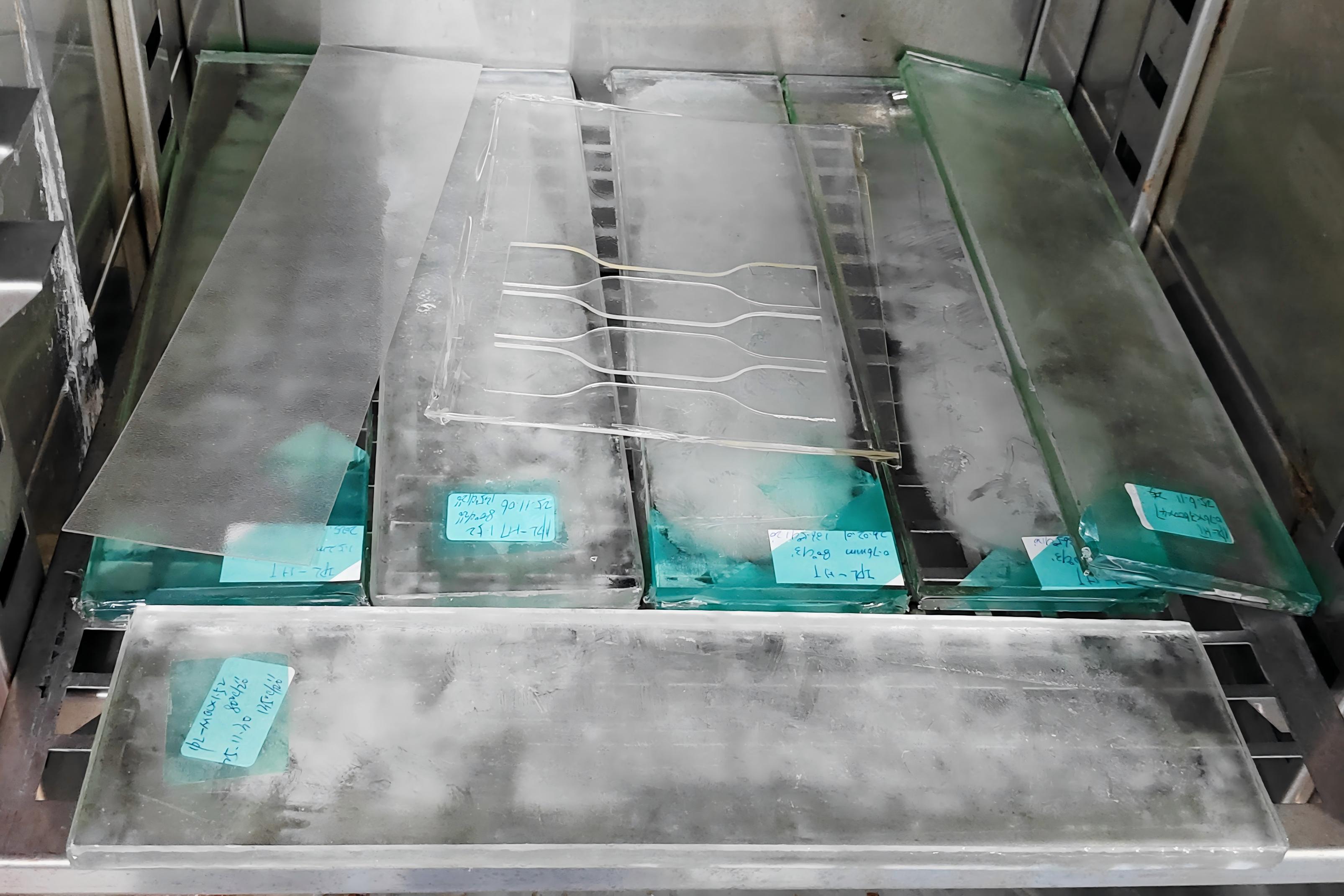
The most accurate method for determining the cross-linking degree is the Xylene Extraction Test. In this laboratory procedure, a cured sample of EVA is weighed and then subjected to boiling xylene for a fixed duration. The solvent dissolves any non-cross-linked resin. The remaining insoluble material (the gel content) is dried and weighed.
A result of 85% or higher confirms that the lamination cycle was successful.
Third-Party Validation
Major projects typically require reports from organizations such as SGCC, TUV, or Intertek. These reports often include "Damp Heat" tests (1000 hours at 85°C and 85% humidity) and "UV Radiation" tests to observe whether the physical properties of the cross-linked film degrade over time.
6. The High Cost of Failure: Why "Cheap" EVA Interlayer is Expensive
Utilizing an EVA film with an inadequate cross-linking rate for outdoor projects involves significant financial and professional risk. If the rate falls below the required threshold:
Accelerated Degradation: Problems such as edge delamination or yellowing can appear within the first 12 to 18 months of installation.
Structural Liability: In safety-critical applications like glass railings, the loss of interlayer integrity poses a direct risk to building occupants.
The Hidden Cost: Replacing laminated glass is incredibly expensive. You must factor in the cost of new glass, new film, labor for removal and re-installation, and potential legal liabilities or damage to your company’s reputation. In many cases, the cost of a single warranty claim exceeds the total savings made by buying cheaper film for ten previous projects.
7. How to Choose the Right EVA Interlayer for Outdoor Project
When selecting an EVA interlayer, follow this checklist to ensure long-term success:
Demand Proof of Cross-Linking: Request laboratory test results showing the film’s cross-linking percentage under standard lamination cycles.
Evaluate Optical Clarity: Ensure the film provides high visible light transmittance and a low Yellowing Index (YI < 0.5).
Review Track Records: Prioritize manufacturers who can provide project references where their film has been successfully used in outdoor environments for several years.
8. Conclusion
In conclusion, the question of whether EVA-laminated glass is suitable for outdoor use is answered by its chemical state and practical experience. The cross-linking rate is the primary determinant of environmental durability.
For industry professionals, moving beyond the "interior-only" perception of EVA requires a commitment to technical rigor. By ensuring a cross-linking rate of at least 85% and verifying this through standardized testing, the industry can leverage the unique benefits of EVA—such as superior transparency and versatility—while guaranteeing that the finished glass structures will remain stable, clear, and safe for decades. In architectural applications, the long-term integrity of the interlayer is not just a preference; it is a fundamental engineering requirement.
Is There Unbreakable Glass? Exploring the Strongest Glass Options for Your Needs
Related Article