EVA Film for Acrylic, PMMA, Decorative Laminated Glass
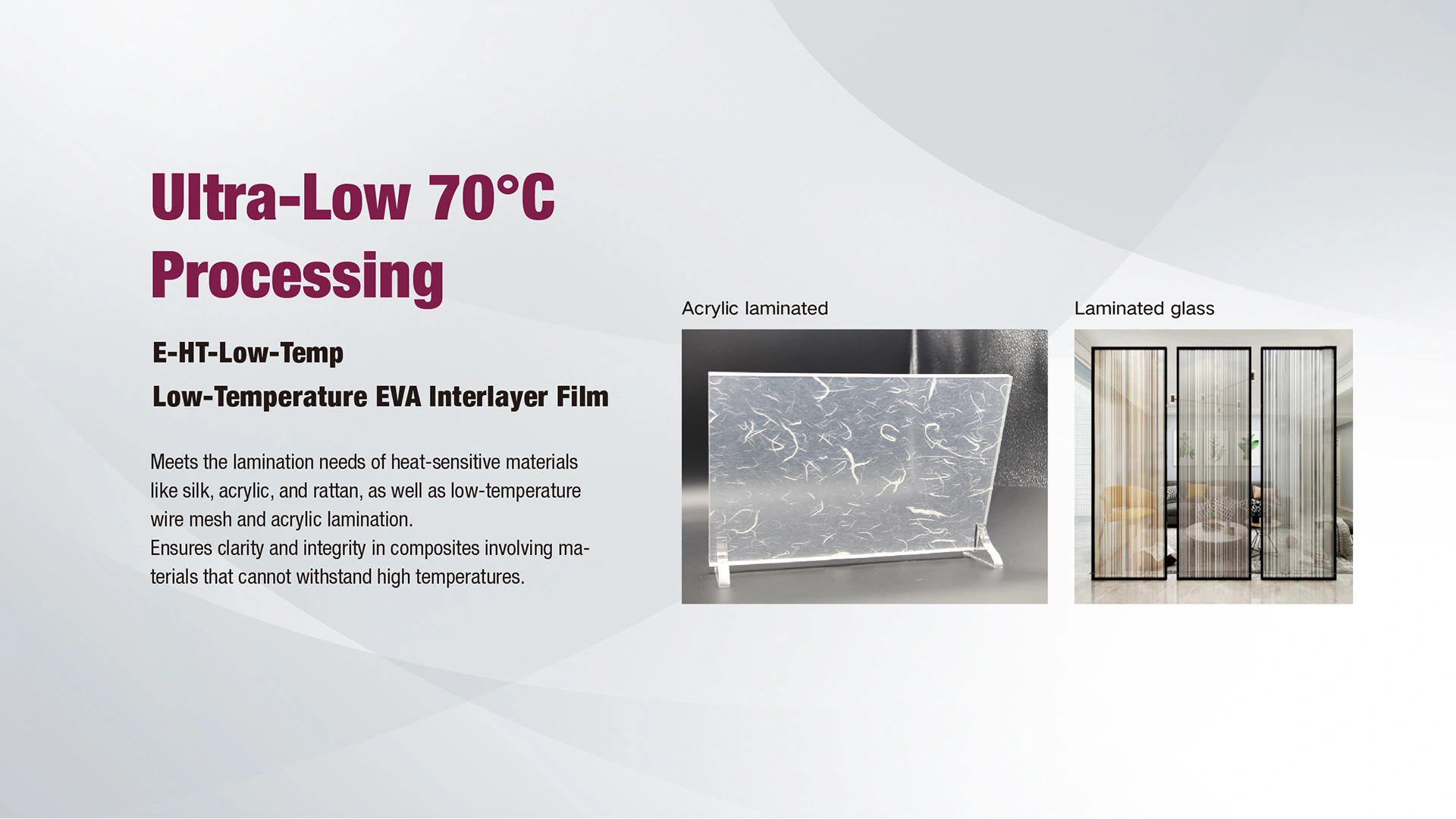
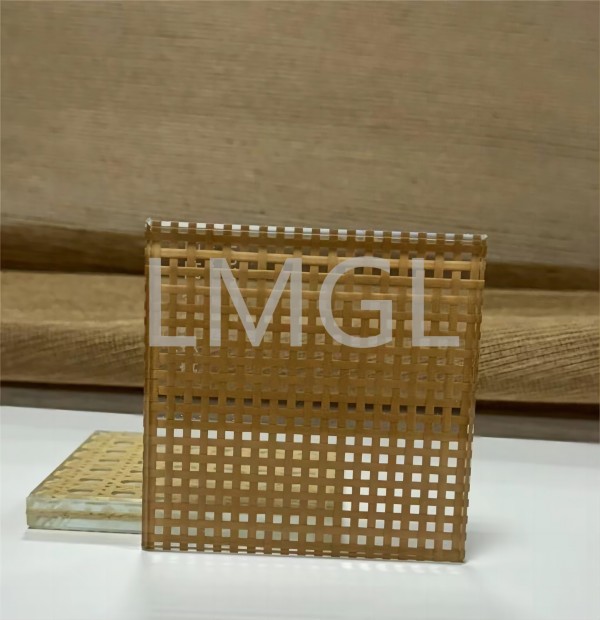
EVA-LowTemp-HT is low temperature processing EVA interlayer, as glass processing techniques become more varied, a wide range of materials can now be combined with glass. Low temperature high clear EVA interlayer is designed to meet the requirements of composite materials that are sensitive to high temperatures when paired with glass, such as acrylic (PMMA), silk fabric, heat-sensitive color-changing materials, wicker, and sensitive paper, INNOLAMIN has developed a low temperature (minimum 70℃) EVA film — EVA-LowTemp-HT(Acrylic laminated EVA interlayer film).
1、Transparency Grade: HT (High Transparency)
2、Product Thickness: 0.38mm - 0.76mm
3、Length: 50m - 100m
4、Width: 600mm - 2600mm
5、Material: Ethylene-vinyl acetate copolymer, no recycled content
6、Sales Method: Factory direct sales
Main Characteristics:
Demonstrates strong adhesion at 80°C (processing method A).
Maintains excellent transparency at 80°C (processing method A).
Shows both robust adhesion and high transparency at 120°C (processing method B).
Achieves a cross-linking degree of 85%-90% (processing method B).
I. Company Profile
LMGL is an integrated sales department with a family development of 30 years in the glass industry, holding numerous partnerships. The company invests in and specializes in the production of interlayer materials for laminated glass including EVA, BISN PVB, and ionoplast interlayer film IPL. It also owns specialty glass processing factories like Haojing Group, and equipment manufacturers like Hanneng, which produces tempered furnaces and high-pressure autoclaves. As an integrated supplier for the glass industry chain and corresponding auxiliary materials industry, our products encompass investment estimation, factory design, equipment procurement, technical support, and material supply. Our goal is to provide customers with professional implementation of deep glass processing projects, technical guidance, and services, striving to be a loyal partner to our clients.
II. Application Scope
Acrylic(PMMA) laminated EVA film
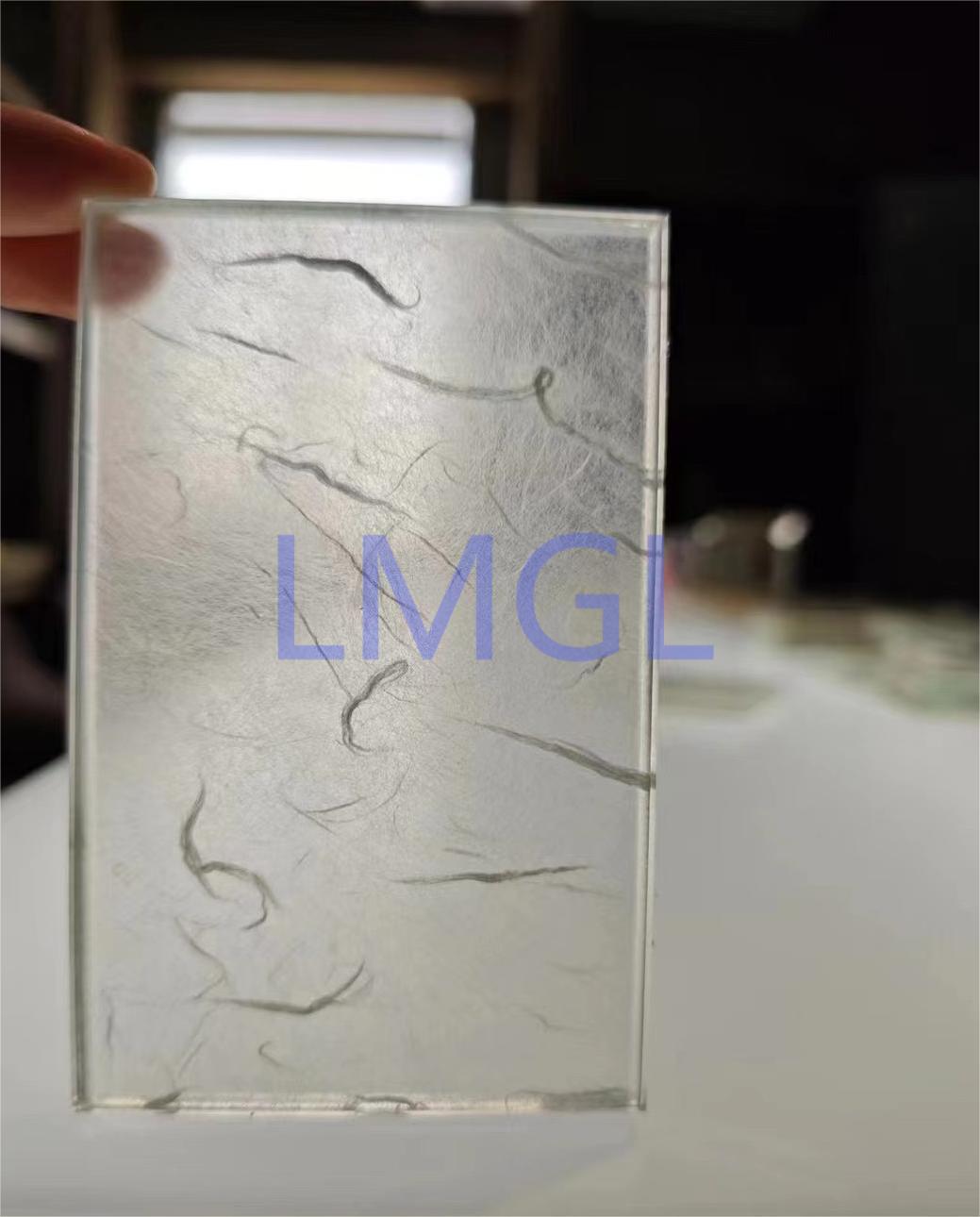
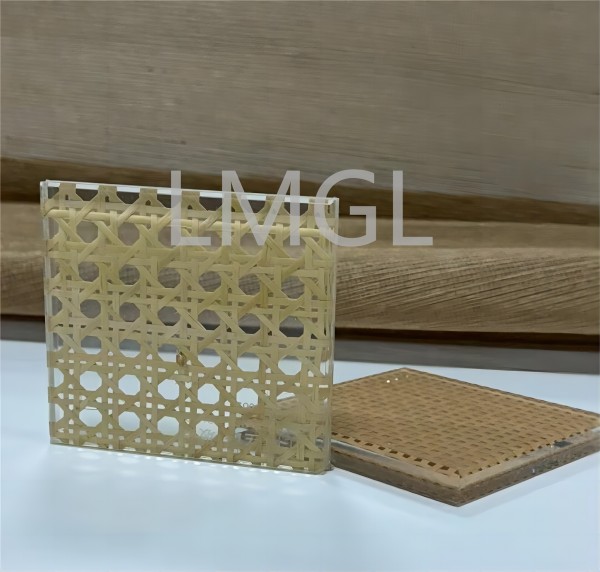
Low temperature high clear EVA film:Can be used for outdoor transparent laminated glass. When the processing temperature exceeds 120°C, the film's cross-linking degree exceeds 85%, making it resistant to outdoor environments.
III.Product Specifications
| Model | Thickness (mm) | Width (mm) | Roll Length (m) | Packaging Specifications |
|---|---|---|---|---|
| EVA-Low-Temp-HT380 | 0.38 | Up to 2600 | 100 | Vacuum bag + shockproof film + composite kraft paper (Optional extra plywood case) |
| EVA-Low-Temp-HT760 | 0.76 | Up to 2600 | 50 |
IV.Product Performance Parameters
| Test item | Test method | Processing Method A | Processing Method B |
|---|---|---|---|
| Transmittance | ISO527-3 | >88% | >90% |
| Haze | T/ZBH 013-2019 | <0.37% | <0.3% |
| UV blocked rate | 280-380nm | >99% | >99% |
| Tensile strength | ISO527-3 | >12MPa | >21MPa |
| Adhesion with glass | ISO-8510 | >70N/cm | >86N/cm |
| Elongation at break | ISO527-3 | ≥800% | ≥800% |
| Cross-linking rate | T/ZBH 013-2019 | / | >85% |
| Water absorption | ASTM D570 | ≤0.1% | ≤0.1% |
| High temperature test 4hrs 100℃ | EN 14449/EN1SO12543 | No visible change | |
| Humidity resistance Ⅱ 85℃ 85%RH 1000hrs | ENISO12543 | Haze appeared just 2.5cm from the edge without bubbles or delamination | |
| UV radiation test UVA340 60℃ 65%RH 2000hrs | EN14449/EN572 | Yellowing index: Δ<1 | |
| Pendulum test (height: 1200mm) | EN14449/EN 12600 | Qualified | |
| Ball impact peeling resistance (height: 4m) | GB-15763.3-2009 | Qualified | |
V.Product Shelf Life
VII. Key Points and Notes for Processing Technology
Preparation work before laminating
- Clean and thoroughly dry the glass, ensuring there are no particles, dust, or oil stains on the glass surface, and prepare EVA film and other intermediate materials.
- After the glass has been placed into the silicon bag, switch on the vacuum pump for 3-5 minutes until the vacuum reaches -0.1MPa (-100KPa), then close the furnace door and start heating.
- Both autoclaves and simple laminating ovens can be used for processing EVA laminated glass. The following is the processing procedure for a simple laminating oven.
| Processing Method | First Step | Second Step | Full Vacuum Retention | Temperature Out of Furnace |
|---|---|---|---|---|
| A | 60℃ — 20mins | 80℃ — 120mins | -0.095MPa | <50℃ |
| B | 60℃ — 20mins | 120℃ — 60mins | -0.095MPa | <50℃ |
Processing Notes
- Before using EVA interlayer film, fully understand the product introduction provided by our company and choose the appropriate product type according to the specific application area.
- According to the laminating temperature, process, and heating time provided by our company, produce glass samples (with an area not less than 0.5m²), and conduct quality and color phase inspections on the samples to confirm compliance with quality requirements before mass production.
- When using EVA interlayer film to produce other laminated glass products, understand the physical and chemical properties of the adhesive materials, conduct relevant verification tests before mass use to ensure that the interlayer film does not have adverse reactions with the adhesive materials (including but not limited to delamination, bubbles, whitening, discoloration, yellowing, fading, etc.).
- Applicable materials include but are not limited to the following categories:
- Inorganic materials (glass, marble, ceramics, metals, etc.) and their printed products.
- Organic materials (PMMA, PC, PET, PVC, etc.) and their printed products.
- Other intermediate materials (silk, cotton cloth, paper, honeycomb panels, etc.) and their printed products.
- When installing laminated glass, if silicone sealant, structural adhesive, and other sealing materials are needed, ensure their compatibility with EVA interlayer film. Some sealing materials may have adverse reactions with the interlayer film, causing delamination, foaming, or blackening of the laminated glass periphery. Chemical detergents may also have adverse reactions with EVA interlayer film.
VIII. Storage and Transportation
- Temperature below 25°C, humidity below 50%.
- Avoid direct sunlight, waterproof, moisture-proof, keep away from heat sources, and do not squeeze.
- Unused film should be properly stored. It is recommended to make glass samples with an area not less than 0.5m² before next use to confirm the product quality.
- After unpacking, pay attention to dustproof and moisture-proof, and use it up within 3 months.